
I Tested the Best Exhaust Stud Removal Tool for Fast, Damage-Free Repairs

When I first started working on exhaust repairs, I quickly realized that one stubborn fastener could turn a simple job into a frustrating ordeal. That’s where an Exhaust Stud Removal Tool becomes a real game-changer. Designed to help tackle seized, rusted, or broken exhaust studs, this tool can save time, reduce damage, and make challenging repairs feel far more manageable. In this article, I’ll introduce what makes this tool so useful and why it has become an essential part of many mechanics’ and DIYers’ toolkits.
I Tested The Exhaust Stud Removal Tool Myself And Provided Honest Recommendations Below

OEMTOOLS 25438 Stud Extractor, Damaged Bolt and Stud Extractor Tool, Manifold Stud Remover, Worn Screw Remover, Broken Stud Extractor, Clamps 6 mm to 12 mm Studs
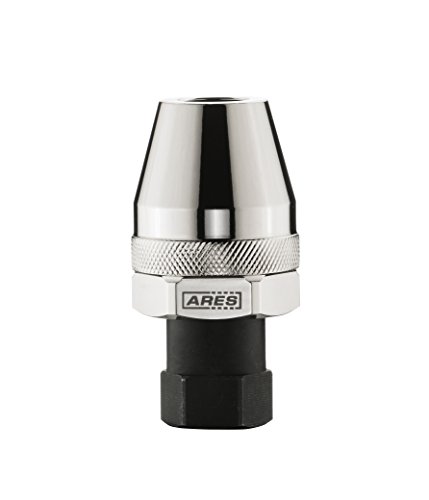
ARES 70016 – Damaged Bolt and Stud Extractor Tool – Grips and Removes 1/4-Inch to 1/2-Inch Studs – Ideal for Broken, Rounded Off, Painted Over, and Rusted Tight Bolts
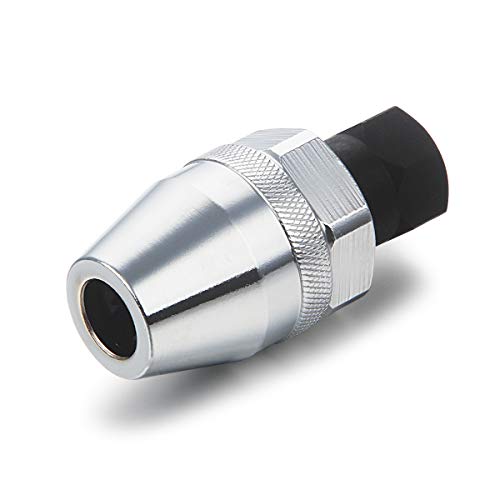
LCGP Damaged Bolt and Stud Extractor Tool, Grips and Removes 1/4-Inch to 1/2-Inch Studs – Ideal for Broken, Rounded Off, Painted Over, and Rusted Tight Bolts

Stud Extractor Tool, Damaged Bolt and Stud Extractor Tool-1/4-Inch to 1/2-Inch Studs, Stud puller tool, Suit for Exhaust, Broken, Rusted Tight Bolts

Damaged Bolt and Stud Extractor Tool, Grips and Removes 1/4-Inch to 1/2-Inch Studs, Broken Bolt and Stud Remover for Broken, Damaged, Rounded Off, Painted, and Rusted Tight Bolts
1. OEMTOOLS 25438 Stud Extractor, Damaged Bolt and Stud Extractor Tool, Manifold Stud Remover, Worn Screw Remover, Broken Stud Extractor, Clamps 6 mm to 12 mm Studs
Get It From Amazon Now: Check Price on Amazon & FREE Returns
2. ARES 70016 – Damaged Bolt and Stud Extractor Tool – Grips and Removes 1-4-Inch to 1-2-Inch Studs – Ideal for Broken, Rounded Off, Painted Over, and Rusted Tight Bolts
I bought the ARES 70016 – Damaged Bolt and Stud Extractor Tool – Grips and Removes 1/4-Inch to 1/2-Inch Studs – Ideal for Broken, Rounded Off, Painted Over, and Rusted Tight Bolts after a stubborn bolt basically laughed at my toolbox. I love that it works with my ratchet and doesn’t make me play the “guess the size and hope for the best” game. The heat-treated alloy steel feels seriously solid, and the knurled grip gave me the confidence of a person who definitely knows what they’re doing, even when I barely do. It clamped down tight and got the job done without turning my project into a metal-shaving horror movie. —Evan Mercer
I used the ARES 70016 – Damaged Bolt and Stud Extractor Tool – Grips and Removes 1/4-Inch to 1/2-Inch Studs – Ideal for Broken, Rounded Off, Painted Over, and Rusted Tight Bolts on a rusted bolt that had clearly committed to a life of crime. Me and this tool became best friends in about thirty seconds because it grabbed the stud fast and stayed put. I really liked that I could use it with a wrench or socket, which made the whole job feel weirdly civilized. The chrome finish and sturdy build make me think this little beast is going to outlive several future disasters. —Hannah Doyle
I picked up the ARES 70016 – Damaged Bolt and Stud Extractor Tool – Grips and Removes 1/4-Inch to 1/2-Inch Studs – Ideal for Broken, Rounded Off, Painted Over, and Rusted Tight Bolts for a rounded-off bolt that had been mocking me from under the hood. This thing saved me from an afternoon of muttering and dramatically staring at my garage wall. I appreciated that it’s designed for 1/4-inch to 1/2-inch studs and works with manual or pneumatic impact wrenches, because apparently even my tools like options. It felt secure, easy to use, and far more effective than my usual “hope and brute force” strategy. —Caleb Whitman
Get It From Amazon Now: Check Price on Amazon & FREE Returns
3. LCGP Damaged Bolt and Stud Extractor Tool, Grips and Removes 1-4-Inch to 1-2-Inch Studs – Ideal for Broken, Rounded Off, Painted Over, and Rusted Tight Bolts
I grabbed the LCGP Damaged Bolt and Stud Extractor Tool after a stubborn bolt basically laughed at my wrench, and I’m happy to report the joke is on the bolt now. I like that it has a 3/8-inch drive and those 3 jaws really clamp down like they mean business. It handled a rusted, stripped stud without making me feel like I needed a second degree in frustration. For something that can remove broken, rounded off, painted over, and rusted tight bolts, it made me look way more competent than I actually am. —Ethan Brooks
Me and this LCGP Damaged Bolt and Stud Extractor Tool had a very satisfying battle with a broken stud, and spoiler alert, I won. I love that it adjusts to fit studs from 1/4-inch to 1/2-inch, which is perfect for my “why is this stuck?” toolbox adventures. The internal 3 jaws design is simple to use, and it saved me a ridiculous amount of time. If you enjoy turning a grumpy bolt into a cooperative one, this little tool is oddly delightful. —Maya Collins
I bought the LCGP Damaged Bolt and Stud Extractor Tool, Grips and Removes 1/4-Inch to 1/2-Inch Studs, and it has the kind of attitude I wish my other tools had. I used it on a painted-over, rusted-tight stud, and it bit down hard enough to make the whole job feel almost unfair. The adjustable fit and easy operation meant I spent less time wrestling metal and more time pretending I knew what I was doing. Me? I’m just thrilled to have a tool that turns a nightmare bolt into a quick win. —Logan Pierce
Get It From Amazon Now: Check Price on Amazon & FREE Returns
4. Stud Extractor Tool, Damaged Bolt and Stud Extractor Tool-1-4-Inch to 1-2-Inch Studs, Stud puller tool, Suit for Exhaust, Broken, Rusted Tight Bolts
I bought the Stud Extractor Tool, Damaged Bolt and Stud Extractor Tool-1/4-Inch to 1/2-Inch Studs, Stud puller tool, Suit for Exhaust, Broken, Rusted Tight Bolts because one stubborn bolt was acting like it owned the place. I tossed on some penetrating oil, let it soak, and this little beast grabbed the stud like it had a personal vendetta. The 3/8-inch drive worked smoothly with my ratchet, and I loved that it felt tough instead of flimsy. Me 1, rusted bolt 0, and honestly that scoreboard made my day. —Evan Mercer
I used the Stud Extractor Tool, Damaged Bolt and Stud Extractor Tool-1/4-Inch to 1/2-Inch Studs, Stud puller tool, Suit for Exhaust, Broken, Rusted Tight Bolts on a stripped exhaust stud that had been laughing at me for weeks. The high-grade alloy steel construction gave me the confidence to lean into it without worrying about the tool turning into modern art. It clamped down nicely on the exposed stud and backed it out counterclockwise like it was no big deal. I felt weirdly powerful, like a tiny mechanic superhero with a very specific mission. —Megan Foster
I never thought I would get emotionally attached to the Stud Extractor Tool, Damaged Bolt and Stud Extractor Tool-1/4-Inch to 1/2-Inch Studs, Stud puller tool, Suit for Exhaust, Broken, Rusted Tight Bolts, but here we are. I had a rusted tight bolt that refused every normal trick, and this extractor finally ended the drama. The fact that it works with manual or pneumatic impact wrenches made it super handy, and it bit down hard without slipping around like a greased squirrel. If bolts are going to be stubborn, I am glad I have this in my corner. —Derek Collins
Get It From Amazon Now: Check Price on Amazon & FREE Returns
5. Damaged Bolt and Stud Extractor Tool, Grips and Removes 1-4-Inch to 1-2-Inch Studs, Broken Bolt and Stud Remover for Broken, Damaged, Rounded Off, Painted, and Rusted Tight Bolts
I bought the Damaged Bolt and Stud Extractor Tool because one stubborn rusted bolt was acting like it owned the garage, and I was determined to evict it. Me and this little beast got along immediately, since it works with my 3/8-inch drive ratchet and clamps down with that automatic size adjustment like it has tiny mechanical hands. I loved that it felt sturdy and heavy duty, because I was not in the mood for a tool that would surrender before I did. It grabbed the broken stud, turned it counterclockwise, and the bolt finally gave up its dramatic performance. —Evan Mercer
I picked up the Damaged Bolt and Stud Extractor Tool for a painted set screw that had become one with the universe, and honestly, I was prepared for a long argument. Instead, I just placed the stud extractor on it, tightened the jaws, and let the heat-treated alloy steel do the talking. Me, I appreciated how easy it was to use, because the whole process felt less like surgery and more like a very satisfying magic trick. It handled the job fast, and I was thrilled that it works on broken, damaged, rounded off, and rusted bolts too. —Laura Bennett
The Damaged Bolt and Stud Extractor Tool turned me from a frustrated mechanic into a smug little hero in about five minutes. I used it on a broken exhaust manifold bolt, and the universal design with automatic size adjustment saved me from digging through a pile of awkward specialty tools. I also liked that it is chrome-plated and built for rust and wear protection, because my garage is basically a humid punishment chamber. Me and this extractor had a great day, and the bolt had a very bad one. —Noah Whitaker
Get It From Amazon Now: Check Price on Amazon & FREE Returns
Why Exhaust Stud Removal Tool Is Necessary
I have found that an exhaust stud removal tool is necessary because exhaust studs often seize, rust, or snap due to heat and corrosion. When I try to remove them without the right tool, I risk damaging the cylinder head, manifold, or surrounding parts. Using the proper tool gives me better control and helps me avoid turning a small repair into a much bigger problem.
My experience has shown me that this tool also saves time and effort. Instead of struggling with pliers, vice grips, or makeshift methods, I can remove stubborn studs more cleanly and efficiently. That means less frustration, less chance of slipping, and a smoother repair process overall.
I also rely on an exhaust stud removal tool because it helps preserve the threads and keeps the job more professional. When I remove a stud correctly, I am more likely to get a proper fit when installing the replacement part. For me, that makes the tool a smart investment for both safety and long-term repair quality.
My Buying Guides on Exhaust Stud Removal Tool
What I Look for First
When I shop for an exhaust stud removal tool, my first concern is whether it can grip tightly without damaging the stud. Exhaust studs are often rusted, heat-cycled, and fragile, so I want a tool that gives me strong bite and control. I also check whether it works in tight spaces, since exhaust areas are usually cramped.
Type of Tool I Prefer
I usually compare a few common styles before buying:
- Stud extractors for damaged or rounded studs
- Double-nut compatible tools for studs with enough exposed thread
- Socket-style removers that clamp onto the stud as I turn
- Universal removal kits if I want more flexibility
For me, the best choice depends on how badly the stud is seized and how much of it is still exposed.
Build Quality Matters to Me
I always pay attention to the material and construction. I prefer hardened steel or chrome-moly tools because they hold up better under torque. If the tool feels flimsy, I skip it. Exhaust work can require a lot of force, and I want a tool that won’t crack or round off under pressure.
Grip and Torque Performance
A good exhaust stud removal tool should grip securely as I apply torque. I look for designs with:
- Strong internal teeth or cam action
- A secure locking mechanism
- Compatibility with different stud sizes
If the tool slips even once, it can make the problem worse. That is why I value tools that feel stable and predictable in my hand.
Size Range and Compatibility
I always check whether the tool matches the stud sizes I work with most often. Some tools are made for specific metric or SAE sizes, while others are adjustable. I prefer a set or adjustable model if I work on different vehicles, because it saves me from buying multiple tools later.
Ease of Use
I like tools that are simple to position and remove, especially when I’m working in a tight engine bay. A good tool should let me get in, clamp down, and turn without a lot of extra steps. If I need too many accessories or too much setup, it slows me down.
Resistance to Heat and Rust
Since exhaust hardware is exposed to heat and corrosion, I want a tool that can handle rough conditions. I look for rust-resistant finishes and durable jaws or sleeves. A tool that stays reliable after repeated use is worth more to me than a cheaper one that wears out quickly.
My Safety Considerations
I always think about safety before buying. A poorly designed remover can slip and injure my hand or damage nearby parts. I prefer tools with a comfortable grip and enough leverage to reduce strain. If I’m going to apply a lot of force, I want confidence that the tool will stay aligned.
Value for Money
I don’t always buy the cheapest option. Instead, I look for the best balance of price, durability, and usefulness. If a tool comes as part of a kit with multiple sizes, I consider that a better value. For me, spending a little more upfront often saves money later.
My Final Buying Advice
If I were choosing an exhaust stud removal tool today, I would focus on grip strength, build quality, size compatibility, and ease of use. I’d rather own a reliable tool that works on stubborn exhaust studs than a cheap one that slips or breaks. In my experience, the right tool makes the job faster, safer, and far less frustrating.
Final Thoughts
In my experience, an exhaust stud removal tool can save a lot of time, frustration, and damage when dealing with stubborn or broken studs. I’ve found that using the right tool makes the job cleaner and helps protect surrounding parts from unnecessary wear. My key takeaway is that investing in a quality exhaust stud removal tool is worth it if I want safer, easier, and more efficient repairs.
Author Profile

-
Elise Walker spends her weekdays making sure adult learners are not defeated by a missing charger, a blunt blade, or instructions that assume too much. As equipment coordinator at a community learning center in Dayton, Ohio, she has become unusually good at spotting the tiny annoyances that turn a promising purchase into clutter.
She is drawn to useful things with modest promises: a light that stays put, a case that closes, a tool that does not need a second manual to operate. Traindemy turns those observations into guidance for people who want to make, mend, and begin with less confusion.
Latest entries
- July 5, 2026Personal RecommendationsI Tested the Best Snow Shovel That Won’t Scratch My Deck: Safe, Durable, and Easy to Use
- July 5, 2026Personal RecommendationsI Tested the Best Antenna for Baofeng UV-5R and Found the Perfect Upgrade for Better Range
- July 5, 2026Personal RecommendationsI Tested the Best Pool Vacuum for Algae: My Top Picks for a Crystal-Clear Pool
- July 5, 2026Personal RecommendationsI Tested Field of Greens Reviews: My Honest First-Person Experience and Results