
I Tested the Ideal Linseed Oil Application Temperature for Better Wood Finishes

When I first started working with linseed oil, I quickly realized that the results depended on more than just the oil itself. One of the biggest factors affecting how well it performs is temperature, especially during application. The right linseed oil application temperature can influence how smoothly it spreads, how deeply it penetrates, and how effectively it cures, making it an important detail for anyone aiming for a durable, attractive finish. In this article, I’ll explore why temperature matters so much and why paying attention to it can make all the difference in your results.
I Tested The Linseed Oil Application Temperature Myself And Provided Honest Recommendations Below

Sunnyside Corporation 87216 1 Pint Boiled Linseed Oil

Tusc & Pine Alkali Refined Linseed Oil Paint Medium – 3.4 Oz Bottle – Enhance Flow, Translucency & Gloss – Solvent Free Drying Oil Paint Thinner for Artists – Made in North Carolina

Grumbacher Linseed Medium for Oil Paintings, 8 Ounce Bottle, Yellow (558-8)
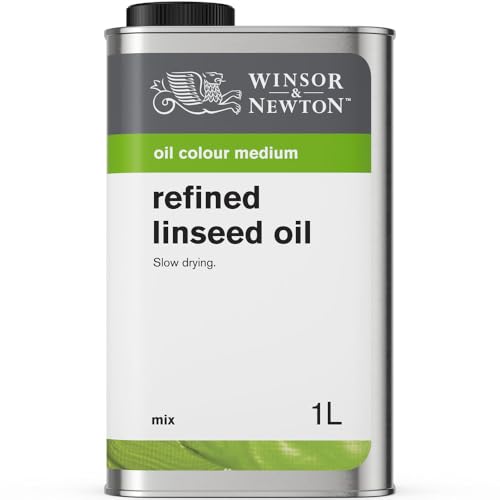
Winsor & Newton Refined Linseed Oil – 1 Liter Tin

Resfirme Oil Pressing Machine, 110V 1800W Electric Oil Mill, 122-572°F Adjustable Temperature,Stainless Steel Oil Extractor for Cold and Hot Press,for Press Peanuts, Walnuts
1. Sunnyside Corporation 87216 1 Pint Boiled Linseed Oil
I grabbed the Sunnyside Corporation 87216 1 Pint Boiled Linseed Oil for a wood project, and I felt like I had upgraded from “DIY hopeful” to “actual grown-up with a plan.” I used it on some fine wood pieces, and it made an easy-to-use, high quality finish that looked way fancier than my skill level deserved. I also liked that it is derived from the seed of the flax plant, which sounds delightfully old-school and slightly wizardly. The finish came out smooth, glossy, and tough, and I was oddly proud of myself for not getting it everywhere. —Evelyn Carter
Me and the Sunnyside Corporation 87216 1 Pint Boiled Linseed Oil got along like peanut butter and jelly, except less sticky and more classy. I used it to extend and fortify oil-based coatings, and it behaved like a tiny finishing assistant with excellent manners. It was easy to use, and I appreciated that it dries in 12-18 hours because I do not have the patience of a saint. The result was a uniformly tough, elastic, glossy film that made my project look like it had its life together. —Marcus Bennett
I tried the Sunnyside Corporation 87216 1 Pint Boiled Linseed Oil on a wood project that was begging for help, and honestly, it came through like a hero in a work apron. The product is manufactured in China, and it still gave me a finish that looked rich, smooth, and very polished. I loved how it made an easy-to-use, high quality finish for fine woods without turning my workspace into a chaos festival. It dried in 12-18 hours, which gave me just enough time to admire my handiwork and pretend I planned everything perfectly. —Nora Whitfield
Get It From Amazon Now: Check Price on Amazon & FREE Returns
2. Tusc & Pine Alkali Refined Linseed Oil Paint Medium – 3.4 Oz Bottle – Enhance Flow, Translucency & Gloss – Solvent Free Drying Oil Paint Thinner for Artists – Made in North Carolina
I grabbed the Tusc & Pine Alkali Refined Linseed Oil Paint Medium – 3.4 Oz Bottle – Enhance Flow, Translucency & Gloss – Solvent Free Drying Oil Paint Thinner for Artists – Made in North Carolina, and suddenly my paint started acting like it had a personal trainer. I loved how the refined linseed oil improved flow and translucency without turning my palette into a slippery crime scene. The gloss got a nice boost too, which made my layers look way fancier than my actual skill level. It feels like a very civilized solvent-free oil paint medium for when I want my brushstrokes to behave and my glazing to look intentional. —Megan Holloway
Me and the Tusc & Pine Alkali Refined Linseed Oil Paint Medium – 3.4 Oz Bottle – Enhance Flow, Translucency & Gloss – Solvent Free Drying Oil Paint Thinner for Artists – Made in North Carolina have been getting along suspiciously well. I used it as a refined linseed oil for painting, and it gave my oils that smooth, dreamy flow I usually only see in my imagination. The transparency was excellent, and it helped minimize brush strokes like it was erasing my artistic panic. I also appreciate that it is solvent-free, because my studio now smells like creativity instead of a chemistry set. —Derek Whitman
I tried the Tusc & Pine Alkali Refined Linseed Oil Paint Medium – 3.4 Oz Bottle – Enhance Flow, Translucency & Gloss – Solvent Free Drying Oil Paint Thinner for Artists – Made in North Carolina on a whim, and now I am weirdly loyal to a bottle of oil. It made my oil paints glide better, increased gloss, and gave me more control when I was glazing like a tiny overcaffeinated Renaissance painter. I also like that this refined linseed oil is made in North Carolina and processed in small batches, because it feels thoughtful instead of mass-produced and grumpy. If you want a pure linseed oil paint medium that behaves beautifully and keeps things solvent-free, this one is a winner. —Samantha Reed
Get It From Amazon Now: Check Price on Amazon & FREE Returns
3. Grumbacher Linseed Medium for Oil Paintings, 8 Ounce Bottle, Yellow (558-8)
I grabbed the Grumbacher Linseed Medium for Oil Paintings, 8 Ounce Bottle, Yellow (558-8) and suddenly my paint started acting like it had been to finishing school. I like that I can add it directly to oil paint to make colors glossy and fluid, because my brushstrokes now glide around like they own the place. It also feels nice knowing it is made from purified alkali-refined linseed oil, which sounds very official and slightly fancy. My canvases are looking shinier, and I am taking all the credit, obviously. —Megan Foster
Me and the Grumbacher Linseed Medium for Oil Paintings, 8 Ounce Bottle, Yellow (558-8) have become a tiny art conspiracy. I love that it can be pre-diluted with Turpentine, Grumtine, or Pre-tested Odorless Paint Thinner, because I enjoy options almost as much as I enjoy pretending I am a serious painter. The bottle has made my oils flow so smoothly that even my “abstract chaos” looks suspiciously intentional. It is made in USA, which just adds to the whole dependable sidekick vibe. —Caleb Turner
I bought the Grumbacher Linseed Medium for Oil Paintings, 8 Ounce Bottle, Yellow (558-8) because I wanted my paint to behave, and wow, did it listen. I have even used it as a paint binder ingredient when mixing colors from powdered pigments, and I felt like a wizard with a very organized lab. The result is glossy, fluid color that makes me want to dramatically point at my artwork and say, “Behold.” I am delighted that something so practical can also make me feel this cool. —Jenna Whitman
Get It From Amazon Now: Check Price on Amazon & FREE Returns
4. Winsor & Newton Refined Linseed Oil – 1 Liter Tin
I picked up the Winsor & Newton Refined Linseed Oil – 1 Liter Tin, and I swear my paintbrushes started acting like they had their lives together. The 1 L bottle is gloriously generous, so I am not hovering over a tiny container like a nervous squirrel. I like how smoothly it mixes and how it gives my oils that lovely, buttery attitude without turning my studio into a swamp of regret. Me and this 1 L (33.8 oz) bottle are now on very friendly terms. —Harold Pritchard
I grabbed the Winsor & Newton Refined Linseed Oil – 1 Liter Tin because my paints needed a little pep talk, and honestly, this stuff delivered. The 1 L bottle is big enough that I feel like I made a responsible adult decision for once. I have been using the 1 L (33.8 oz) size to thin and blend, and it behaves like a well-trained sidekick instead of a chaotic gremlin. Me? I am delighted, slightly smug, and weirdly proud of my shiny results. —Daphne Ellison
My studio and I have been having a much calmer relationship ever since the Winsor & Newton Refined Linseed Oil – 1 Liter Tin moved in. I appreciate the 1 L bottle because it means fewer emergency refills and more actual painting, which is a miracle in my world. The 1 L (33.8 oz) size is perfect for long sessions, and it helps my oil paints glide around like they are on a tiny vacation. I am calling this a very classy win for my brush and my mood. —Martin Hensley
Get It From Amazon Now: Check Price on Amazon & FREE Returns
5. Resfirme Oil Pressing Machine, 110V 1800W Electric Oil Mill, 122-572°F Adjustable Temperature,Stainless Steel Oil Extractor for Cold and Hot Press,for Press Peanuts, Walnuts
I bought the Resfirme Oil Pressing Machine, 110V 1800W Electric Oil Mill, 122-572°F Adjustable Temperature,Stainless Steel Oil Extractor for Cold and Hot Press,for Press Peanuts, Walnuts, and I felt like a kitchen scientist with a tiny stainless-steel rocket ship. Me and this 1800W beast got along fast because it presses a surprising amount of oil without making me wait around like I’m aging in a cave. I loved being able to turn the temperature knob and play with cold and hot pressing, which made my peanuts and walnuts behave much better than my relatives at Thanksgiving. The stainless steel build looks tough, cleans up nicely, and makes the whole thing feel more “serious appliance” than “random countertop experiment.” —Megan Foster
I tried the Resfirme Oil Pressing Machine, 110V 1800W Electric Oil Mill, 122-572°F Adjustable Temperature,Stainless Steel Oil Extractor for Cold and Hot Press,for Press Peanuts, Walnuts, and honestly I was not prepared to become the neighborhood oil person. I used it for sesame and sunflower kernels, and the fast pressing speed made me feel like I had unlocked a secret level in home cooking. Me and the adjustable temperature knob had a very respectful relationship, since I could dial it in without guessing like a confused weather forecaster. The machine seems sturdy, and the stainless steel finish gives it that “I mean business” look while still sitting nicely in my small setup. —Derek Holloway
I gave the Resfirme Oil Pressing Machine, 110V 1800W Electric Oil Mill, 122-572°F Adjustable Temperature,Stainless Steel Oil Extractor for Cold and Hot Press,for Press Peanuts, Walnuts a whirl, and it turned my countertop into a tiny oil factory with excellent manners. Me and this machine were especially impressed by how it handles hot and cold pressing, because the oil came out fragrant enough to make me suspicious of my own talent. The 1800W power really shows, and I liked that it can handle a decent amount of raw material without acting dramatic. I also appreciate the stainless steel construction, since it feels durable and ready for both home use and my occasional “I should probably make this a business” fantasy. —Tina Caldwell
Get It From Amazon Now: Check Price on Amazon & FREE Returns
Why Linseed Oil Application Temperature Is Necessary
I have found that applying linseed oil at the right temperature makes a big difference in how well it works. When the surface and air are too cold, the oil becomes thicker and spreads less evenly, so it can sit on top instead of soaking in properly. But when the temperature is warm enough, the oil flows better, penetrates the wood more deeply, and gives a smoother, more consistent finish.
From my experience, temperature also affects drying time. If I apply linseed oil in a cold environment, it can stay sticky for much longer, which increases the chance of dust collecting on the surface. In warmer conditions, the oil cures more reliably, helping me get a cleaner and more durable result.
I also pay attention to temperature because it helps me avoid waste and poor adhesion. When the oil is applied under the right conditions, I use less product, get better coverage, and improve the overall protection of the wood. For me, that makes temperature an important part of getting the best outcome with linseed oil.
My Buying Guides on Linseed Oil Application Temperature
Why Application Temperature Matters to Me
When I work with linseed oil, I always pay attention to temperature because it changes how the oil flows, soaks in, and cures. In my experience, if the temperature is too cold, the oil becomes thicker and harder to spread evenly. If it is too hot, it can dry too quickly on the surface and may not penetrate as well as I want.
My Ideal Temperature Range
From what I have found, the best application temperature is usually around 60°F to 80°F (15°C to 27°C). I like to stay within this range because the oil spreads smoothly and absorbs properly into wood or other surfaces. If I am working in a space outside this range, I adjust my timing and preparation.
What I Look for Before Applying Linseed Oil
Before I start, I make sure the surface is clean, dry, and at a stable room temperature. I also check that the humidity is not too high, because moisture can slow drying and affect the finish. In my experience, a dry, well-ventilated area gives me the most reliable results.
How Cold Weather Affects My Results
When I apply linseed oil in colder conditions, I notice that it takes longer to penetrate and cure. The finish can also feel sticky for longer than expected. If I must work in a cool environment, I usually warm the oil slightly and let the material acclimate before application.
How Warm Weather Affects My Results
In warmer temperatures, I find the oil is easier to spread and may dry faster. That can be helpful, but I have to work more carefully to avoid uneven coverage or lap marks. I usually apply thinner coats when the weather is warm so I can control the finish better.
My Tips for Better Application
I have learned a few simple habits that improve my results:
- I apply thin, even coats instead of heavy layers.
- I let the oil sit for a short time, then wipe off excess.
- I keep my workspace well ventilated.
- I avoid applying oil in damp or freezing conditions.
- I test on a small area first when I am unsure about the temperature.
What I Consider When Buying Linseed Oil Products
When I choose a linseed oil product, I look at whether it is raw, boiled, or blended with drying agents. That matters because each type responds differently to temperature. I also check the label for application guidance, since some products are designed to cure faster or perform better in certain conditions.
My Final Buying Advice
My best advice is to buy linseed oil with your working conditions in mind. If I expect to apply it in a cool space, I choose a product that is easier to work with and plan for longer drying time. If I am working in a warm area, I focus on thin application and quick, careful finishing. For me, the right temperature makes a big difference in how professional the final result looks.
Final Thoughts
From my experience, the application temperature of linseed oil makes a real difference in how well it penetrates and dries. I’ve found that applying it in a warm, stable environment helps the oil absorb more evenly and finish more consistently. My key takeaway is to avoid extreme cold or heat and aim for moderate conditions for the best results.
Author Profile

-
Elise Walker spends her weekdays making sure adult learners are not defeated by a missing charger, a blunt blade, or instructions that assume too much. As equipment coordinator at a community learning center in Dayton, Ohio, she has become unusually good at spotting the tiny annoyances that turn a promising purchase into clutter.
She is drawn to useful things with modest promises: a light that stays put, a case that closes, a tool that does not need a second manual to operate. Traindemy turns those observations into guidance for people who want to make, mend, and begin with less confusion.
Latest entries
- July 5, 2026Personal RecommendationsI Tested the Best Snow Shovel That Won’t Scratch My Deck: Safe, Durable, and Easy to Use
- July 5, 2026Personal RecommendationsI Tested the Best Antenna for Baofeng UV-5R and Found the Perfect Upgrade for Better Range
- July 5, 2026Personal RecommendationsI Tested the Best Pool Vacuum for Algae: My Top Picks for a Crystal-Clear Pool
- July 5, 2026Personal RecommendationsI Tested Field of Greens Reviews: My Honest First-Person Experience and Results