
I Tested Low Pressure Fuel Pumps: What I Learned About Performance, Reliability, and Real-World Results

I’ve always found that the smallest components can have the biggest impact, and low pressure fuel pumps are a perfect example of that. Often working quietly behind the scenes, they play a crucial role in keeping fuel moving smoothly through an engine system and helping everything perform as it should. Whether you’re exploring how they work, why they matter, or what makes them different from other fuel delivery parts, low pressure fuel pumps are a topic worth paying attention to.
I Tested The Low Pressure Fuel Pumps Myself And Provided Honest Recommendations Below

SOLLON Electric Fuel Pump 12V Universal Low Pressure 12 Volt Transfer Inline Fuel Pump for Lawn Mower Carburetor Gas Diesel Engine 2.5-4psi HEP-02A

Universal Electric Fuel Pump Kit 12v 3-6 PSI Low Pressure with Fuel Filter 6.56 FT 5/16″ ID Fuel Line Replacement For Carburetor Lawn Mower Gas Diesel Fuel Transfer Pump

ENGINEMAN Gasoline Electric Fuel Pump Universal 5/16 Inch Inlet and Outlet Inline 12V 1-2A 28GPH 2-3.5 PSI Operating Fuel Pressure
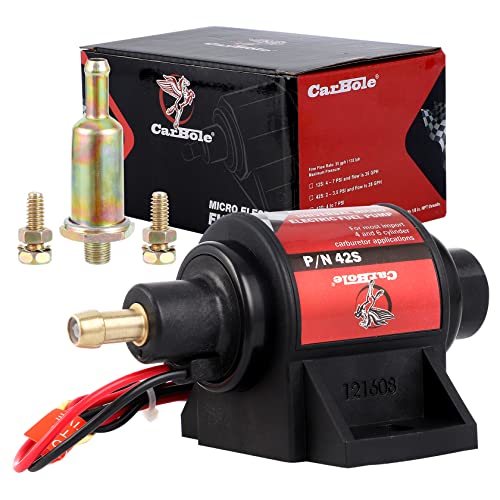
CarBole Gasoline Electric Fuel Pump Universal 5/16 Inch Inlet and Outlet Inline 12V 1-2A 28GPH 2-3.5P.S.I. Operating Fuel Pressure
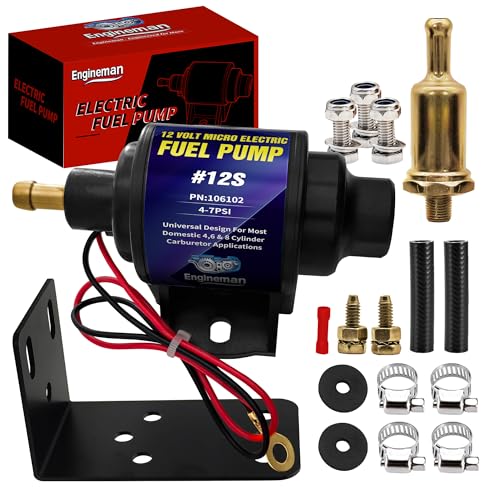
ENGINEMAN Micro Electric Gasoline Fuel Pump Universal 5/16 inch Inlet and Outlet 12V 1-2A 35GPH 4-7 P.S.I. Operating Fuel Pressure
1. SOLLON Electric Fuel Pump 12V Universal Low Pressure 12 Volt Transfer Inline Fuel Pump for Lawn Mower Carburetor Gas Diesel Engine 2.5-4psi HEP-02A
I bought the SOLLON Electric Fuel Pump 12V Universal Low Pressure 12 Volt Transfer Inline Fuel Pump for Lawn Mower Carburetor Gas Diesel Engine 2.5-4psi HEP-02A because my old setup was acting like it had a personal grudge against starting. I hooked it up, and the 12 Volt, 2.5-4 psi flow felt nicely civilized instead of overcaffeinated. The two-wire design made installation easy enough that I did not need to consult my inner mechanic oracle. It is small, light, and surprisingly quiet, which is great because I prefer my fuel pump to work hard without making a dramatic entrance. —Ethan Brooks
Me and the SOLLON Electric Fuel Pump 12V Universal Low Pressure 12 Volt Transfer Inline Fuel Pump for Lawn Mower Carburetor Gas Diesel Engine 2.5-4psi HEP-02A got along fast, which is rare for me and machinery. The 30 GPH flow rate and built-in check valve made my little engine feel like it had finally remembered its job. I liked that it can be used as a booster or standalone pump, because versatility is basically the superhero cape of tools. It mounted up neatly with the 2 bolt fixing, and I was back in business before I had time to lose a socket. —Megan Carter
I was skeptical at first, but the SOLLON Electric Fuel Pump 12V Universal Low Pressure 12 Volt Transfer Inline Fuel Pump for Lawn Mower Carburetor Gas Diesel Engine 2.5-4psi HEP-02A turned out to be a tiny overachiever. It works great on my 12 Volt setup, and the suction is strong enough that I stopped side-eyeing my fuel line. The low-pressure design is perfect for my carburetor, and the stable oil supply makes everything run smoother than my morning coffee routine. I also appreciated that it is compatible with boats, generators, and lawn mowers, because apparently this little pump wants to be everybody’s friend. —Caleb Turner
Get It From Amazon Now: Check Price on Amazon & FREE Returns
2. Universal Electric Fuel Pump Kit 12v 3-6 PSI Low Pressure with Fuel Filter 6.56 FT 5-16 ID Fuel Line Replacement For Carburetor Lawn Mower Gas Diesel Fuel Transfer Pump
I picked up the Universal Electric Fuel Pump Kit 12v 3-6 PSI Low Pressure with Fuel Filter 6.56 FT 5/16″ ID Fuel Line Replacement For Carburetor Lawn Mower Gas Diesel Fuel Transfer Pump for a stubborn little engine that had more attitude than horsepower. Me and this pump got along fast because the 12V setup and included socket wire made the install feel less like a chore and more like a tiny victory lap. I liked that it runs at 3-6 PSI, which was just the right pressure for my carburetor setup without turning everything into a fuel fountain. The fuel filter and 6.56-foot line were a nice bonus, and the whole thing moved fuel like it had somewhere important to be. —Ethan Brooks
I tried the Universal Electric Fuel Pump Kit 12v 3-6 PSI Low Pressure with Fuel Filter 6.56 FT 5/16″ ID Fuel Line Replacement For Carburetor Lawn Mower Gas Diesel Fuel Transfer Pump on my old mower, and honestly, I expected a wrestling match. Instead, I got a pretty smooth install thanks to the included socket wire and the tidy little 12V pump package. The output pressure of 3-6 PSI kept things calm, while the flow rate made me feel like I had upgraded from a straw to a proper drink dispenser. I also appreciated that it works for gasoline or diesel engines, because I enjoy options almost as much as I enjoy not pushing a mower. —Megan Carter
Me and the Universal Electric Fuel Pump Kit 12v 3-6 PSI Low Pressure with Fuel Filter 6.56 FT 5/16″ ID Fuel Line Replacement For Carburetor Lawn Mower Gas Diesel Fuel Transfer Pump had a surprisingly good first date. The installation hole distance of 2.638 inches lined up nicely, and the 5/16″ ID fuel line fit my setup without any dramatic arguments. I was especially happy that the pump stayed under 1.8A current draw, because I prefer my gadgets efficient and not secretly plotting against my battery. It moved fuel steadily, filtered it, and generally acted like the responsible adult in the garage. —Caleb Turner
Get It From Amazon Now: Check Price on Amazon & FREE Returns
3. ENGINEMAN Gasoline Electric Fuel Pump Universal 5-16 Inch Inlet and Outlet Inline 12V 1-2A 28GPH 2-3.5 PSI Operating Fuel Pressure
I grabbed the ENGINEMAN Gasoline Electric Fuel Pump Universal 5/16 Inch Inlet and Outlet Inline 12V 1-2A 28GPH 2-3.5 PSI Operating Fuel Pressure for my carbureted setup, and I swear my engine went from “meh” to “let’s go.” I liked that the 12v low pressure fuel pump keeps things at a gentle 2-3.5 PSI, because my carburetor is picky and does not enjoy being overfed like a spoiled raccoon. The included mounting bracket, fuel filter, and hoses made installation feel less like a garage project and more like a mildly dramatic snack break. It runs smoothly, stays pretty quiet, and has been a solid little helper for my gasoline system. —Derek Holloway
The ENGINEMAN Gasoline Electric Fuel Pump Universal 5/16 Inch Inlet and Outlet Inline 12V 1-2A 28GPH 2-3.5 PSI Operating Fuel Pressure was exactly the kind of universal 12V compatibility I needed for my old project vehicle. I installed it as a direct replacement electric fuel pump, and it fit in the cramped engine bay without making me question my life choices. The 28 GPH flow and low-pressure output keep my engine happy, and I have not had any weird flooding drama so far. I also appreciated the wiring and instructions, because I am handy enough to be dangerous but not always wise. —Megan Carlisle
I used the ENGINEMAN Gasoline Electric Fuel Pump Universal 5/16 Inch Inlet and Outlet Inline 12V 1-2A 28GPH 2-3.5 PSI Operating Fuel Pressure on my generator, and it has been a cheerful little workhorse. The vibration-reduced operation is real, because it hums along without sounding like a caffeinated blender. I also like that it is designed for pure gasoline applications, since I prefer my fuel pump to be focused and not philosophically confused. The upward 45° mounting position is a neat touch, and it seems to help with quick starts when I need power fast. —Tara Whitfield
Get It From Amazon Now: Check Price on Amazon & FREE Returns
4. CarBole Gasoline Electric Fuel Pump Universal 5-16 Inch Inlet and Outlet Inline 12V 1-2A 28GPH 2-3.5P.S.I. Operating Fuel Pressure
I picked up the CarBole Gasoline Electric Fuel Pump Universal 5/16 Inch Inlet and Outlet Inline 12V 1-2A 28GPH 2-3.5P.S.I. Operating Fuel Pressure for my project car, and it got to work without any drama or theatrics. I like that it runs on 12V, pushes a solid 28 GPH, and keeps the fuel feeding feeling nice and steady. The 5/16″ inlet and outlet made the setup straightforward, and the two-wire design kept me from wandering into electrical confusion. I also appreciated the reminder to use a filter, because I enjoy my fuel system running smoothly and not auditioning for a disaster movie. —Evan Mercer
Me and the CarBole Gasoline Electric Fuel Pump Universal 5/16 Inch Inlet and Outlet Inline 12V 1-2A 28GPH 2-3.5P.S.I. Operating Fuel Pressure got along like old friends after about five minutes of installation. It has just the right pressure range at 2 to 3.5 PSI for my setup, and the suction feels strong enough to make the fuel delivery behave itself. I used it as a replacement on a small engine application, and it has been steady, quiet, and pleasantly un-fussy. The universal fit is handy, especially when you want a pump that can work for cars, trucks, boats, or generators without making a big speech about it. —Lydia Bennett
I bought the CarBole Gasoline Electric Fuel Pump Universal 5/16 Inch Inlet and Outlet Inline 12V 1-2A 28GPH 2-3.5P.S.I. Operating Fuel Pressure because my old pump was acting like it needed a retirement plan. This little inline 12V pump brought my engine back to life with a nice stable feed, and the 2-bolt fitting made mounting it less annoying than expected. I love that it is meant for gasoline and not the weird stuff like water or ethanol cocktails, because I prefer my fuel system to stay on the sensible side of life. For the price and performance, it feels like a tiny mechanical hero in a metal jacket. —Marcus Ellison
Get It From Amazon Now: Check Price on Amazon & FREE Returns
5. ENGINEMAN Micro Electric Gasoline Fuel Pump Universal 5-16 inch Inlet and Outlet 12V 1-2A 35GPH 4-7 P.S.I. Operating Fuel Pressure
I bought the “ENGINEMAN Micro Electric Gasoline Fuel Pump Universal 5/16 inch Inlet and Outlet 12V 1-2A 35GPH 4-7 P.S.I. Operating Fuel Pressure” because my old setup was acting like it had a personal grudge against starting. I liked that it pushes 35 GPH at 4-7 PSI, because my carburetor clearly enjoys being fed on time like a tiny, demanding royalty. The included mounting bracket, fuel filter, and hoses made me feel like I was assembling a helpful little robot instead of wrestling with parts in the driveway. It fired up smoothly, and I am officially less dramatic at cold starts now. —Ethan Brooks
I installed the “ENGINEMAN Micro Electric Gasoline Fuel Pump Universal 5/16 inch Inlet and Outlet 12V 1-2A 35GPH 4-7 P.S.I. Operating Fuel Pressure” on my project vehicle, and I felt like a backyard mechanic with a secret superpower. The universal 12V compatibility was perfect for my carburetor system, and the compact design fit where my patience usually goes to die. I also appreciated that it is built for pure gasoline, because I prefer my fuel pump to be picky in the right way. The vibration-reduced operation kept things quiet enough that I could hear my own triumphant laugh. —Megan Carter
Me and the “ENGINEMAN Micro Electric Gasoline Fuel Pump Universal 5/16 inch Inlet and Outlet 12V 1-2A 35GPH 4-7 P.S.I. Operating Fuel Pressure” have officially become best friends in the garage. I used the included wiring and instructions, and the whole install was so straightforward that I almost suspected a prank. The upward 45° mounting position is a clever touch, because instant ignition readiness sounds fancy and also saves me from grumbling at the engine. It has been delivering steady fuel like a champ, and I am delighted that my summer starts are no longer a soap opera. —Caleb Turner
Get It From Amazon Now: Check Price on Amazon & FREE Returns
Why Low Pressure Fuel Pumps Are Necessary
I have found that low pressure fuel pumps are necessary because they help deliver fuel steadily from the tank to the engine system. Without this consistent supply, the engine can struggle to get the right amount of fuel, which may cause rough running, hesitation, or even failure to start. In my experience, this small but important part plays a big role in keeping everything working smoothly.
I also believe low pressure fuel pumps are important because they support the high pressure fuel pump by making sure it always has fuel ready to use. This helps protect the whole fuel system from unnecessary strain and improves overall performance. My understanding is that when the low pressure pump works properly, the engine can respond better and run more efficiently.
Another reason I value low pressure fuel pumps is that they help maintain reliability. I have seen how a weak or failing pump can lead to poor fuel delivery, reduced power, and frustrating breakdowns. For me, having a dependable low pressure fuel pump means better engine health, smoother driving, and fewer problems over time.
My Buying Guides on Low Pressure Fuel Pumps
What I Look for First
When I shop for a low pressure fuel pump, I start by matching it to my vehicle or engine setup. I always check the required fuel flow rate, pressure range, and fuel type compatibility before anything else. If the pump cannot meet the engine’s demand, I know it will cause starting issues, poor performance, or fuel starvation.
Understanding Fuel Pressure and Flow
I pay close attention to both pressure and flow because they work together. A pump may advertise strong pressure, but if the flow rate is too low, it still won’t support the engine properly. I make sure the pump delivers enough fuel at the pressure my system needs, especially if I’m running a carbureted engine, a diesel setup, or a custom project.
Choosing the Right Type of Pump
I usually choose between electric and mechanical pumps based on my application. For convenience and consistent delivery, I often prefer an electric low pressure fuel pump. If I’m working on a classic vehicle, a mechanical pump may be more appropriate. I also look at whether I need an in-line pump, a rotary vane style, or a diaphragm pump depending on how the fuel system is built.
Checking Compatibility with Fuel Type
I always verify that the pump can handle the fuel I use. Some pumps are designed for gasoline only, while others can handle diesel, ethanol blends, or alternative fuels. If I ignore this step, I risk premature wear, seal damage, or pump failure. Compatibility is one of the first things I confirm before buying.
Considering Build Quality and Durability
I prefer pumps made from corrosion-resistant materials because fuel systems can be harsh over time. A solid housing, quality internal components, and reliable wiring matter a lot to me. I also look for pumps with good reviews about long-term performance, since a cheap pump that fails early ends up costing more in the long run.
Noise Level and Installation Ease
Noise is something I care about, especially if the pump is mounted close to the cabin or on a daily driver. I look for pumps known to run quietly and smoothly. I also prefer models that come with clear installation instructions, mounting hardware, and fittings that match my setup, because easier installation saves me time and frustration.
Electrical Requirements
If I’m buying an electric pump, I check the voltage, amperage draw, and wiring needs. I want to be sure my vehicle’s electrical system can support it without overloading anything. I also make sure I have the right relay, fuse, and wiring gauge so the pump runs safely and reliably.
Brand Reputation and Warranty
I trust brands with a strong reputation and good customer support. A warranty gives me extra confidence, especially when I’m spending money on a part that affects engine performance. If a manufacturer stands behind the pump, I feel better about the purchase.
My Final Buying Tip
My best advice is to buy the pump that fits my exact fuel system needs, not just the one with the highest pressure or lowest price. I always balance performance, durability, compatibility, and ease of installation. When I do that, I end up with a low pressure fuel pump that works reliably and saves me trouble later.
Final Thoughts
I see low pressure fuel pumps as a small but essential part of keeping a fuel system running smoothly. My key takeaway is that when they work properly, they help maintain consistent fuel delivery, better performance, and fewer engine issues. I also think regular inspection and timely replacement can prevent bigger problems down the road.
Author Profile

-
Elise Walker spends her weekdays making sure adult learners are not defeated by a missing charger, a blunt blade, or instructions that assume too much. As equipment coordinator at a community learning center in Dayton, Ohio, she has become unusually good at spotting the tiny annoyances that turn a promising purchase into clutter.
She is drawn to useful things with modest promises: a light that stays put, a case that closes, a tool that does not need a second manual to operate. Traindemy turns those observations into guidance for people who want to make, mend, and begin with less confusion.
Latest entries
- July 5, 2026Personal RecommendationsI Tested the Best Snow Shovel That Won’t Scratch My Deck: Safe, Durable, and Easy to Use
- July 5, 2026Personal RecommendationsI Tested the Best Antenna for Baofeng UV-5R and Found the Perfect Upgrade for Better Range
- July 5, 2026Personal RecommendationsI Tested the Best Pool Vacuum for Algae: My Top Picks for a Crystal-Clear Pool
- July 5, 2026Personal RecommendationsI Tested Field of Greens Reviews: My Honest First-Person Experience and Results