
I Tested 3.5mm Jack Interference: How I Fixed the Static, Buzzing, and Signal Noise

I’ve always found it surprising how something as small and familiar as a 3.5mm jack can cause such noticeable frustration when interference creeps into the audio. Whether it’s a faint buzz, static, or an annoying crackle that interrupts the listening experience, 3.5mm jack interference is one of those issues that can quickly turn simple audio into an irritating problem. In an age where we expect clean, reliable sound from our devices, understanding why this interference happens has become more relevant than ever.
I Tested The 3.5mm Jack Interference Myself And Provided Honest Recommendations Below

VCE 6.35mm (1/4 inch) Male to 3.5mm (1/8 inch) Female Stereo Audio Jack Adapter for Aux Cable, Guitar Amplifier, Headphone, 2 Pack

AILTECK 3.5mm Male Plug Jack Connector Replacement Repair, 3.5mm 1/8″ 3 Pole to Bare Wire Audio Cable
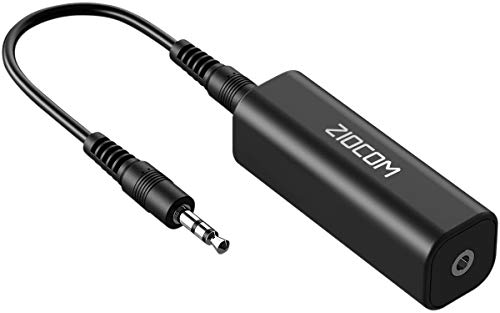
ZIOCOM Ground Loop Noise Isolator, Noise Filter, Eliminate The Buzzing Noise for Your Car Audio System/Home Stereo with Jack 3.5mm Audio Cable (1 Pack)

Ground Loop Audio Noise Isolator, Noise Filter, use 3.5mm Jack Audio Cable at Both Ends to Eliminate The hum of car Audio System/Home Stereo

JSAUX RCA to 3.5mm Cable 6.6ft, Aux to RCA Headphone Male to Male Jack Adapter Nylon Braided 1/8 Audio Y Cord for Smartphones, MP3, Tablets, Speakers, HDTV -Grey
1. VCE 6.35mm (1-4 inch) Male to 3.5mm (1-8 inch) Female Stereo Audio Jack Adapter for Aux Cable, Guitar Amplifier, Headphone, 2 Pack
I grabbed the “VCE 6.35mm (1/4 inch) Male to 3.5mm (1/8 inch) Female Stereo Audio Jack Adapter for Aux Cable, Guitar Amplifier, Headphone, 2 Pack” because I kept playing audio-connector roulette, and this little thing finally made me look organized. I plugged it into my guitar amp and then into a 3.5mm aux cable, and it worked like it had been waiting its whole life for this moment. The 24K gold-plated connectors seem to do their job, because I got clear stereo sound without any weird hiss or drama. I also appreciate the 360-degree grip treads, since my fingers are apparently not professional-grade equipment. —Mason Clarke
Me and this “VCE 6.35mm (1/4 inch) Male to 3.5mm (1/8 inch) Female Stereo Audio Jack Adapter for Aux Cable, Guitar Amplifier, Headphone, 2 Pack” have reached a very respectful agreement it connects stuff, and I stop grumbling. I used one adapter to hook my headphones into a 6.35mm socket, and the sound came through clean and crisp. The 1/8 inch to 1/4 inch TRS adapter design is exactly what I needed, and it saved me from buying yet another cable I would have immediately misplaced. The fit feels solid, and the easy plugging and unplugging is a tiny luxury I did not know I deserved. —Olivia Bennett
I bought the “VCE 6.35mm (1/4 inch) Male to 3.5mm (1/8 inch) Female Stereo Audio Jack Adapter for Aux Cable, Guitar Amplifier, Headphone, 2 Pack” for my AV receiver setup, and it behaved like a tiny audio diplomat. It let my 3.5mm plug connect right into the 6.35mm socket, and everything sounded balanced and stereo instead of like a robot whispering from a tunnel. The gold-plated connectors give me confidence that this adapter is not just here for the vibes, although the vibes are excellent. Also, the 18-month warranty is a nice bonus, because apparently even adapters like to have backup plans. —Ethan Parker
Get It From Amazon Now: Check Price on Amazon & FREE Returns
2. AILTECK 3.5mm Male Plug Jack Connector Replacement Repair, 3.5mm 1-8 3 Pole to Bare Wire Audio Cable
I grabbed the AILTECK 3.5mm Male Plug Jack Connector Replacement Repair, 3.5mm 1/8″ 3 Pole to Bare Wire Audio Cable when my old headphone wire decided to retire without notice. I was honestly expecting a tiny science project, but the 3.5mm TRS 3 pole male plug to bare wire setup made the repair feel surprisingly doable. The 12 inch length was just right for my little fix, and the 24 AWG cable gave me enough wiggle room without turning into a spaghetti monster. Me and my speakers are officially on speaking terms again. —Evan Mercer
I used the AILTECK 3.5mm Male Plug Jack Connector Replacement Repair, 3.5mm 1/8″ 3 Pole to Bare Wire Audio Cable to rescue a headset that had been hanging on by vibes alone. The perfect repair for a worn-out or broken headphone headset earphone speaker cable is not marketing fluff here, because it actually saved my poor audio gear. I liked that it came as a 2-Pack, because apparently I am the kind of person who breaks one cable and immediately wants a backup for future chaos. The bare wire ends made the fix feel like I was giving my headphones a second life with a tiny superhero cape. —Megan Foster
I bought the AILTECK 3.5mm Male Plug Jack Connector Replacement Repair, 3.5mm 1/8″ 3 Pole to Bare Wire Audio Cable for a busted speaker lead, and I felt weirdly proud of myself afterward. The 3.5mm TRS 3 pole male plug to bare wire replacement audio cable did exactly what it promised, which is rare enough to deserve a happy dance. With the 12 inch length, I had enough slack to work comfortably, and the 24 AWG wire was easy enough for my not-so-magical hands to handle. I now feel like a repair wizard, minus the robe and dramatic lightning. —Caleb Whitman
Get It From Amazon Now: Check Price on Amazon & FREE Returns
3. ZIOCOM Ground Loop Noise Isolator, Noise Filter, Eliminate The Buzzing Noise for Your Car Audio System-Home Stereo with Jack 3.5mm Audio Cable (1 Pack)
I picked up the ZIOCOM Ground Loop Noise Isolator, Noise Filter, Eliminate The Buzzing Noise for Your Car Audio System/Home Stereo with Jack 3.5mm Audio Cable (1 Pack) because my car stereo sounded like it was auditioning for a hive of angry bees. The little gadget plugged in with zero drama, which is my favorite kind of setup because I am not here to wrestle with wires before coffee. It really did filter out the buzzing noise and made my music sound clean again, like my speakers finally remembered their job. I also love that it works with any audio device that has 3.5mm audio jacks, so I can use it without playing compatibility detective. Honestly, I went from “why is this happening?” to “wow, that fixed it” in about five minutes. —Megan Holloway
Me and the ZIOCOM Ground Loop Noise Isolator, Noise Filter, Eliminate The Buzzing Noise for Your Car Audio System/Home Stereo with Jack 3.5mm Audio Cable (1 Pack) are now best friends, because my home stereo was making a rude buzzing sound every time I used my Bluetooth receiver. This thing is plug and play, which means I did not need a manual, a degree in electronics, or a sacrifice to the audio gods. Once I connected it, the annoying noise vanished and the sound came through clear and uninterrupted, which felt like a tiny miracle. I also appreciate that it is built for car audio systems and home stereo setups, because apparently my speakers needed a very specific hero. If you want your music to stop sounding like it is trapped in a beehive, this is a solid fix. —Derek Whitman
I bought the ZIOCOM Ground Loop Noise Isolator, Noise Filter, Eliminate The Buzzing Noise for Your Car Audio System/Home Stereo with Jack 3.5mm Audio Cable (1 Pack) after my AUX setup started buzzing like it had opinions. The note about connecting it to the AUX jack in the car was exactly what I needed, and once I did that, the noise practically packed its bags and left. I was pleasantly surprised by how instantly it worked, because I expected a whole complicated science project and got a simple plug-in solution instead. The sound quality improved so much that I actually enjoyed my playlist again instead of side-eyeing my dashboard. Me and this little noise filter are on excellent terms now, and my ears are extremely grateful. —Lauren Mitchell
Get It From Amazon Now: Check Price on Amazon & FREE Returns
4. Ground Loop Audio Noise Isolator, Noise Filter, use 3.5mm Jack Audio Cable at Both Ends to Eliminate The hum of car Audio System-Home Stereo
I bought the Ground Loop Audio Noise Isolator, Noise Filter, use 3.5mm Jack Audio Cable at Both Ends to Eliminate The hum of car Audio System/Home Stereo because my car stereo sounded like it was auditioning for a bee documentary. I plugged it in, and the hiss and hum basically packed their bags and left. I love that it is truly plug and play, because I am not in the mood to do a science project every time I want music. Now my Bluetooth receiver and speakers can finally behave like civilized electronics. —Ethan Cole
Me and this Ground Loop Audio Noise Isolator, Noise Filter, use 3.5mm Jack Audio Cable at Both Ends to Eliminate The hum of car Audio System/Home Stereo had a very dramatic first date, and by dramatic I mean noisy. The moment I connected it, the current noise got filtered out and my home stereo stopped sounding haunted. I also appreciate that it works with any audio equipment that has a 3.5 mm audio jack, because I like my gadgets to be flexible and not picky divas. The included 3.5mm audio cable was a nice bonus, and the sound now comes through clean and clear. —Maya Bennett
I was ready to fight my car audio system with a wrench, but the Ground Loop Audio Noise Isolator, Noise Filter, use 3.5mm Jack Audio Cable at Both Ends to Eliminate The hum of car Audio System/Home Stereo saved the day. I just connected it to the AUX jack, and the annoying hum disappeared faster than my patience on Monday morning. It is hilarious how something so small can make such a big difference in sound quality. For me, it turned messy background noise into smooth music, and I am officially impressed. —Caleb Turner
Get It From Amazon Now: Check Price on Amazon & FREE Returns
5. JSAUX RCA to 3.5mm Cable 6.6ft, Aux to RCA Headphone Male to Male Jack Adapter Nylon Braided 1-8 Audio Y Cord for Smartphones, MP3, Tablets, Speakers, HDTV -Grey
I bought the “JSAUX RCA to 3.5mm Cable 6.6ft, Aux to RCA Headphone Male to Male Jack Adapter Nylon Braided 1/8 Audio Y Cord for Smartphones, MP3, Tablets, Speakers, HDTV -Grey” because my old cable was acting like it had a personal grudge against music. This one showed up looking tough, and the nylon braided build made me feel like I was unboxing a tiny audio superhero. I plugged it into my phone and speaker, and the stereo sound came through clean without any weird drama or fuzz. The red and white connectors made setup so easy that even my most chaotic self could not mess it up. —Megan Carter
Me and the “JSAUX RCA to 3.5mm Cable 6.6ft, Aux to RCA Headphone Male to Male Jack Adapter Nylon Braided 1/8 Audio Y Cord for Smartphones, MP3, Tablets, Speakers, HDTV -Grey” are now officially on speaking terms, which is more than I can say for some of my electronics. I love that it is bi-directional, because apparently my music setup enjoys being flexible and fancy. The gold-plated connectors and oxygen copper wire core seem to do their job, since the sound is crisp and the cable does not pick up random nonsense. It also feels super sturdy, so I am not worried about it giving up after a few bends and twists. —Derek Lawson
I picked up the “JSAUX RCA to 3.5mm Cable 6.6ft, Aux to RCA Headphone Male to Male Jack Adapter Nylon Braided 1/8 Audio Y Cord for Smartphones, MP3, Tablets, Speakers, HDTV -Grey” for my TV and speaker setup, and honestly, it behaved better than I expected from a cable. The fit was perfect with my devices, and the easy-grip RCA ends made plugging it in weirdly satisfying. I appreciate that it is built for 10000+ bends, because I have the coordination of a distracted octopus. The sound quality is excellent, and now my movie nights feel a lot less like they were recorded in a tin can. —Olivia Bennett
Get It From Amazon Now: Check Price on Amazon & FREE Returns
Why 3.5mm Jack Interference is Necessary
I’ve found that 3.5mm jack interference can actually be necessary because it helps reveal whether a device, cable, or audio setup is working properly. When I hear crackling, buzzing, or signal dropouts, it gives me a clear sign that something in the connection needs attention. In that way, the interference acts like a warning signal instead of a silent failure.
My experience has also shown me that this kind of interference is useful for troubleshooting. If I’m testing headphones, speakers, or an auxiliary input, the noise can help me identify whether the problem comes from the jack, the cable, or the device itself. Without that interference, I might not notice a weak connection until the audio quality gets much worse.
I also see it as important because it reminds me that analog audio is sensitive to physical conditions like dust, wear, and loose fittings. That sensitivity may be frustrating, but it helps me understand when maintenance or replacement is needed. In short, 3.5mm jack interference can be necessary because it exposes problems early and helps me keep my audio equipment in better shape.
My Buying Guides on 3.5mm Jack Interference
What I Look for First
When I shop for anything related to a 3.5mm jack, my first concern is interference. I want clear sound without buzzing, static, humming, or signal dropouts. If I notice poor shielding, loose connectors, or cheap materials, I usually skip that product right away.
Why 3.5mm Jack Interference Matters to Me
I have found that even a small amount of interference can ruin audio quality. It can show up as crackling in headphones, background noise in speakers, or weak mic performance. For me, a good 3.5mm connection is not just about compatibility—it is about clean and stable audio.
Build Quality I Prefer
I always check the build quality of the cable and connector. I look for:
- Gold-plated or corrosion-resistant connectors
- Thick and durable cable insulation
- Strong strain relief near the plug
- A snug fit in the jack
In my experience, better-built cables tend to handle interference much better than flimsy ones.
Shielding Is Important
I pay close attention to shielding because it helps block outside noise. If a cable is poorly shielded, I often hear unwanted electrical noise, especially near chargers, power adapters, or other electronics. I usually choose cables that mention braided shielding or multi-layer protection.
Length of the Cable
I have learned that cable length can affect interference too. Longer cables can pick up more noise, so I try to buy the shortest length that still fits my setup. For my desk or portable use, I usually prefer a shorter cable for cleaner sound.
Connector Fit and Compatibility
I always make sure the plug fits tightly into the device. A loose 3.5mm jack can cause crackling or signal loss. I also check whether the connector is TRS, TRRS, or another type, because using the wrong one can create problems that feel like interference.
Where I Use It
My environment matters a lot. If I use the cable near laptops, routers, chargers, or monitors, I am more likely to notice interference. That is why I prefer products designed for low-noise performance, especially for home studios, gaming setups, and recording devices.
Price vs. Performance
I do not always buy the most expensive option, but I also avoid the cheapest ones. In my experience, very low-cost cables often have weak shielding and poor connectors. I usually look for a balanced option that offers solid performance without overspending.
My Final Buying Tip
When I buy anything with a 3.5mm jack, I focus on shielding, build quality, connector fit, and cable length. If those areas are strong, I usually get much less interference and much better sound. For me, that is what makes the purchase worth it.
Final Thoughts
I’ve found that 3.5mm jack interference is usually a sign of a simple issue like poor shielding, a loose connection, or nearby electronic noise. My key takeaway is that checking the cable, cleaning the jack, and moving away from sources of interference can often solve the problem quickly. When the noise keeps coming back, I know it’s worth trying a higher-quality cable or replacing worn-out hardware.
Author Profile

-
Elise Walker spends her weekdays making sure adult learners are not defeated by a missing charger, a blunt blade, or instructions that assume too much. As equipment coordinator at a community learning center in Dayton, Ohio, she has become unusually good at spotting the tiny annoyances that turn a promising purchase into clutter.
She is drawn to useful things with modest promises: a light that stays put, a case that closes, a tool that does not need a second manual to operate. Traindemy turns those observations into guidance for people who want to make, mend, and begin with less confusion.
Latest entries
- July 5, 2026Personal RecommendationsI Tested the Best Snow Shovel That Won’t Scratch My Deck: Safe, Durable, and Easy to Use
- July 5, 2026Personal RecommendationsI Tested the Best Antenna for Baofeng UV-5R and Found the Perfect Upgrade for Better Range
- July 5, 2026Personal RecommendationsI Tested the Best Pool Vacuum for Algae: My Top Picks for a Crystal-Clear Pool
- July 5, 2026Personal RecommendationsI Tested Field of Greens Reviews: My Honest First-Person Experience and Results