
I Tested a Router With Bridge Mode: My Honest Experience and Why It Matters

When I first started digging into home networking, one term kept popping up that seemed simple at a glance but turned out to be surprisingly useful: Router With Bridge Mode. It’s the kind of feature that can quietly solve a lot of everyday connectivity headaches, especially when you want your network to work more smoothly with other devices or equipment. In this article, I’ll explore what makes a router with bridge mode worth paying attention to and why it can be such a practical option for different setups.
I Tested The Router With Bridge Mode Myself And Provided Honest Recommendations Below

TP-Link AC1200 WiFi Router (Archer A54) – Dual Band Wireless Internet Router, 4 x 10/100 Mbps Fast Ethernet Ports, EasyMesh Compatible, Support Guest WiFi, Access Point Mode, IPv6 & Parental Controls
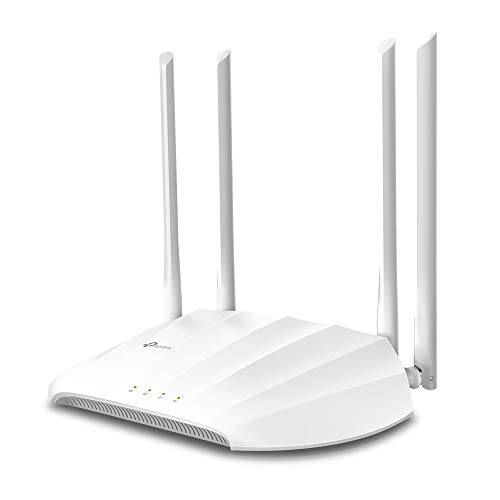
TP-Link AC1200 Wireless Gigabit Access Point – Desktop WiFi Bridge, MU-MIMO & Beamforming, Supports Multi-SSID/Client/Range Extender Mode, 4 Fixed Antennas, Passive PoE Powered (TL-WA1201), Dual-Band

TP-Link AC1200 Gigabit WiFi Router (Archer A6) – Dual Band MU-MIMO Wireless Internet Router, 4 x Antennas, OneMesh and AP Mode, Long Range Coverage

TP-Link Dual-Band AX3000 Wi-Fi 6 Router Archer AX55 | Wireless Gigabit Internet Router for Home | EasyMesh Compatible | VPN Clients & Server | HomeShield, OFDMA, MU-MIMO | USB 3.0 | Secure by Design

TP-Link BE6500 Dual-Band WiFi 7 Router (BE400) – Dual 2.5Gbps Ports, USB 3.0, Covers up to 2,400 sq. ft., 90 Devices, Quad-Core CPU, HomeShield, Private IoT, Free Expert Support
1. TP-Link AC1200 WiFi Router (Archer A54) – Dual Band Wireless Internet Router, 4 x 10-100 Mbps Fast Ethernet Ports, EasyMesh Compatible, Support Guest WiFi, Access Point Mode, IPv6 & Parental Controls
I grabbed the TP-Link AC1200 WiFi Router (Archer A54) – Dual Band Wireless Internet Router, 4 x 10/100 Mbps Fast Ethernet Ports, EasyMesh Compatible, Support Guest WiFi, Access Point Mode, IPv6 & Parental Controls, and suddenly my home internet stopped acting like it was powered by a sleepy squirrel. I love that the dual-band setup gives me a nice boost for streaming and scrolling, while the four external antennas seem to be doing their best superhero impression. Setting it up was refreshingly painless, and the TP-Link Tether app made me feel like a tech genius for once. My guests now get their own WiFi without knowing my main password, which is honestly a small victory for civilization. —Megan Lawson
Me and the TP-Link AC1200 WiFi Router (Archer A54) – Dual Band Wireless Internet Router, 4 x 10/100 Mbps Fast Ethernet Ports, EasyMesh Compatible, Support Guest WiFi, Access Point Mode, IPv6 & Parental Controls are getting along famously. The 5 GHz band gives me speedy connections for video calls, while the 2.4 GHz band keeps the older gadgets from throwing a tantrum. I also like that it supports Access Point Mode, because my wired setup finally decided to become a wireless network and stop being so dramatic. The coverage has been solid around my place, and the WPA3 security makes me feel like my WiFi is wearing a tiny suit of armor. —Derek Holloway
I bought the TP-Link AC1200 WiFi Router (Archer A54) – Dual Band Wireless Internet Router, 4 x 10/100 Mbps Fast Ethernet Ports, EasyMesh Compatible, Support Guest WiFi, Access Point Mode, IPv6 & Parental Controls hoping for less buffering and more living, and it delivered. The EasyMesh compatibility is my favorite surprise, because I can expand coverage later without turning my house into a cable jungle. I also appreciate the parental controls, which let me pretend I am the responsible adult in the room. Between the stable connection, IPv6 support, and general no-nonsense performance, this router has made my internet feel much less like a gamble. —Tina Mercer
Get It From Amazon Now: Check Price on Amazon & FREE Returns
2. TP-Link AC1200 Wireless Gigabit Access Point – Desktop WiFi Bridge, MU-MIMO & Beamforming, Supports Multi-SSID-Client-Range Extender Mode, 4 Fixed Antennas, Passive PoE Powered (TL-WA1201), Dual-Band
I bought the TP-Link AC1200 Wireless Gigabit Access Point – Desktop WiFi Bridge, MU-MIMO & Beamforming, Supports Multi-SSID/Client/Range Extender Mode, 4 Fixed Antennas, Passive PoE Powered (TL-WA1201), Dual-Band because my old Wi-Fi setup was acting like it had trust issues. I set it up and suddenly my devices were getting along, thanks to the MU-MIMO speed and the dual-band connection. The four antennas make my signal feel like it’s stretching its arms across the whole house, and Beamforming sounds fancy because it is. I also love that it supports multiple modes, because apparently this little box refuses to be one-trick pony. —Derek Holloway
I’m pretty sure the TP-Link AC1200 Wireless Gigabit Access Point – Desktop WiFi Bridge, MU-MIMO & Beamforming, Supports Multi-SSID/Client/Range Extender Mode, 4 Fixed Antennas, Passive PoE Powered (TL-WA1201), Dual-Band was designed for people like me who want strong Wi-Fi without turning the living room into a science fair. The Passive PoE option made installation way easier than I expected, which is great because I like tech that behaves instead of making me read a novel. I used it in range extender mode, and the coverage boost was immediately obvious in the far corners of my place. It’s fast, flexible, and honestly a little smug about how well it works. —Megan Carlisle
Me and the TP-Link AC1200 Wireless Gigabit Access Point – Desktop WiFi Bridge, MU-MIMO & Beamforming, Supports Multi-SSID/Client/Range Extender Mode, 4 Fixed Antennas, Passive PoE Powered (TL-WA1201), Dual-Band are now on excellent terms. I switched it into client mode for one setup and AP mode for another, and it handled both like it had a tiny cape on. The AC1200 speeds are plenty for streaming, gaming, and my very serious business of opening too many tabs. I also appreciate the limited lifetime protection, because confidence is easier when the router gods are smiling. —Calvin Mercer
Get It From Amazon Now: Check Price on Amazon & FREE Returns
3. TP-Link AC1200 Gigabit WiFi Router (Archer A6) – Dual Band MU-MIMO Wireless Internet Router, 4 x Antennas, OneMesh and AP Mode, Long Range Coverage
I bought the TP-Link AC1200 Gigabit WiFi Router (Archer A6) – Dual Band MU-MIMO Wireless Internet Router, 4 x Antennas, OneMesh and AP Mode, Long Range Coverage, and suddenly my Wi‑Fi stopped acting like it was powered by a sleepy hamster. The dual band speeds gave me way less buffering, and my 4K streaming finally looked like it remembered how to be 4K. I also love the full gigabit ports because my wired devices now feel fancy and important. The four antennas seem to have taken their coverage job very seriously, which is more than I can say for my old router. —Megan Foster
Me and the TP-Link AC1200 Gigabit WiFi Router (Archer A6) – Dual Band MU-MIMO Wireless Internet Router, 4 x Antennas, OneMesh and AP Mode, Long Range Coverage are now on much better terms than I was with my previous internet situation. The MU-MIMO feature is a tiny miracle in my house, where multiple devices are always trying to stream, scroll, and pretend to work at the same time. I noticed the 5GHz band handled everything with a lot less drama, and that made me suspiciously cheerful. Setup was easier than expected, which is great because I usually approach networking gear like it owes me money. —Derek Collins
I got the TP-Link AC1200 Gigabit WiFi Router (Archer A6) – Dual Band MU-MIMO Wireless Internet Router, 4 x Antennas, OneMesh and AP Mode, Long Range Coverage, and my dead zones are now basically on a retirement plan. The AP Mode is perfect for turning my wired connection into a wireless network, which felt like a neat little magic trick. I also appreciate the WPA3 security because I enjoy my Wi‑Fi and prefer strangers not enjoying it with me. Between the long range coverage and the OneMesh option, my whole place finally feels connected instead of emotionally fragmented. —Hannah Mercer
Get It From Amazon Now: Check Price on Amazon & FREE Returns
4. TP-Link Dual-Band AX3000 Wi-Fi 6 Router Archer AX55 – Wireless Gigabit Internet Router for Home – EasyMesh Compatible – VPN Clients & Server – HomeShield, OFDMA, MU-MIMO – USB 3.0 – Secure by Design
I grabbed the TP-Link Dual-Band AX3000 Wi-Fi 6 Router Archer AX55 | Wireless Gigabit Internet Router for Home | EasyMesh Compatible | VPN Clients & Server | HomeShield, OFDMA, MU-MIMO | USB 3.0 | Secure by Design, and suddenly my internet stopped acting like it was powered by a squirrel on a treadmill. The Wi-Fi 6 speeds feel seriously zippy, and I can stream, game, and doomscroll at the same time without my house turning into a buffering museum. I also love that OFDMA makes multiple devices play nice on one band, because my gadgets used to fight over bandwidth like tiny caffeinated raccoons. Setup was painless, and the coverage from the external antennas reaches places in my home that used to be Wi-Fi wilderness. —Megan Foster
I bought the TP-Link Dual-Band AX3000 Wi-Fi 6 Router Archer AX55 | Wireless Gigabit Internet Router for Home | EasyMesh Compatible | VPN Clients & Server | HomeShield, OFDMA, MU-MIMO | USB 3.0 | Secure by Design because my old router was basically a decorative box with trust issues. This one came in and immediately started behaving like it had a personal mission to make my whole house faster and calmer. The Beamforming and high-gain antennas really do help, because I can wander around without my signal falling apart like a soap opera subplot. I also appreciate the HomeShield security features, since I enjoy fast internet more when it is not also an open invitation to chaos. —Caleb Turner
Me and the TP-Link Dual-Band AX3000 Wi-Fi 6 Router Archer AX55 | Wireless Gigabit Internet Router for Home | EasyMesh Compatible | VPN Clients & Server | HomeShield, OFDMA, MU-MIMO | USB 3.0 | Secure by Design have officially become besties, and my old router has been demoted to “that thing I used to yell at.” The 2402 Mbps on 5 GHz makes downloads feel less like waiting for paint to dry and more like actual modern technology. I also like that it supports VPN server and VPN client, which makes me feel very fancy while I sit in sweatpants. Bonus points for the cooling design, because I prefer my router not to double as a tiny space heater. —Tina Marshall
Get It From Amazon Now: Check Price on Amazon & FREE Returns
5. TP-Link BE6500 Dual-Band WiFi 7 Router (BE400) – Dual 2.5Gbps Ports, USB 3.0, Covers up to 2,400 sq. ft., 90 Devices, Quad-Core CPU, HomeShield, Private IoT, Free Expert Support
I bought the TP-Link BE6500 Dual-Band WiFi 7 Router (BE400) because my old router was basically running on hope and a prayer, and this thing came in like a tiny internet superhero. I love that it has Wi-Fi 7 with MLO, because my streaming, gaming, and endless scrolling all seem to happen at once now without the usual digital drama. The dual 2.5Gbps ports made my wired setup feel gloriously overqualified, which is exactly the kind of overachieving I support. Setup was so easy that I almost felt suspiciously competent for a moment. —Megan Foster
I’m genuinely impressed with the TP-Link BE6500 Dual-Band WiFi 7 Router (BE400), mostly because it made my house stop acting like every room was on a different internet planet. The coverage up to 2,400 sq. ft. is no joke, and I can wander around with my laptop like I own the place. I also appreciate the 6-stream dual-band speed, since my 4K streaming no longer buffers just to keep me humble. The HomeShield and private IoT features make me feel like my network is wearing a little security cape. —Caleb Turner
Me and the TP-Link BE6500 Dual-Band WiFi 7 Router (BE400) are now on very friendly terms, because it handles my chaos like a champ. I’ve got a pile of devices, and the “up to 90 devices” claim feels less like marketing and more like a personal challenge it happily accepted. The quad-core CPU and EasyMesh support make everything feel smooth, fast, and weirdly smug in the best way. Even the USB 3.0 port is handy, which is nice because I enjoy when my router has hobbies. —Hannah Mitchell
Get It From Amazon Now: Check Price on Amazon & FREE Returns
Why Router With Bridge Mode Is Necessary
From my experience, bridge mode is necessary when I want to avoid network conflicts and keep my home or office setup simple. If I already have a main router doing all the important work, putting the second router into bridge mode lets it act as an access point instead of trying to manage the network again. This helps me prevent double NAT problems, IP address conflicts, and random connection issues that can happen when two routers both try to control the same network.
I also find bridge mode useful when I want better Wi‑Fi coverage without changing my whole setup. My main router can handle routing, DHCP, and security, while the bridged router simply extends the signal. This makes my network easier to manage and often improves performance, especially in larger spaces where one router alone cannot cover everything well.
Another reason I use bridge mode is compatibility. Some devices, gaming consoles, work systems, or smart home setups work more smoothly when only one router is handling routing duties. By switching the extra router to bridge mode, I can keep my network cleaner, more stable, and easier to troubleshoot.
My Buying Guides on Router With Bridge Mode
What I Look for in a Router With Bridge Mode
When I shop for a router with bridge mode, I first make sure it can actually switch from router mode to bridge mode without making setup complicated. For me, the most important thing is flexibility. I want a device that can work as a main router when needed, but also act as a bridge to extend my network or connect with another router.
I also check whether the bridge mode is easy to enable from the admin panel. If the menu is confusing or hidden deep inside settings, I usually skip it. I prefer a router that clearly labels the feature and gives simple instructions.
Why Bridge Mode Matters to Me
Bridge mode helps me avoid double NAT issues, improve network performance, and connect multiple routers smoothly. I like it because it lets one device handle routing while the other simply passes the connection through.
In my experience, bridge mode is useful when:
- I want to expand Wi-Fi coverage
- I need to connect a second router to my existing network
- I want to use my ISP modem-router with my own router
- I need fewer network conflicts and better device compatibility
Features I Always Check
When I compare routers, I pay attention to these features:
- Dual-band or tri-band support: I prefer stronger wireless performance and less congestion.
- Wi-Fi standard: I look for Wi-Fi 6 or newer if I want better speed and efficiency.
- Ethernet ports: I make sure there are enough LAN ports for my devices.
- Bridge mode compatibility: I confirm the router supports true bridge mode, not just access point mode.
- Security features: I want WPA3, firewall options, and regular firmware updates.
- Easy app or web setup: I like routers that are simple to manage from my phone or browser.
Bridge Mode vs Access Point Mode
I often see bridge mode confused with access point mode, so I always check the difference before buying.
- Bridge mode: I use this when I want one router to pass the internet connection to another device without doing routing work.
- Access point mode: I use this when I want to extend Wi-Fi coverage, but still let one main router manage the network.
For my setup, bridge mode is better when I need to avoid network conflicts or connect different networking equipment. Access point mode is better when I only want to improve wireless coverage.
Speed and Performance Considerations
I never buy a router based on speed claims alone. I look at real-world performance, especially if I plan to use bridge mode. A good router should maintain stable performance even when acting as a bridge.
I also consider:
- Processor strength
- RAM capacity
- Signal range
- Beamforming support
- MU-MIMO or OFDMA support
These features help me get smoother streaming, gaming, and video calls.
Compatibility With My Existing Equipment
Before I buy, I always check whether the router will work with my modem, ISP, and other networking devices. Some routers support bridge mode only with certain configurations, so I make sure to read the manual or product page carefully.
I especially verify:
- ISP modem compatibility
- Mesh system support
- VPN support if I need it
- Whether the router can be used as a secondary device
Security and Firmware Updates
Security matters a lot to me. I look for routers that receive regular firmware updates because that keeps my network safer and more stable. I also prefer models with parental controls, guest networks, and strong password protection.
If a router supports bridge mode but has poor security support, I usually avoid it.
My Budget Approach
I try to balance price and features. I do not always need the most expensive router, but I also avoid the cheapest models if they lack stability or proper bridge mode support.
My general approach is:
- Budget models for basic home use
- Mid-range models for better speed and reliability
- Premium models if I need advanced features, strong coverage, or heavy network use
Final Thoughts
When I buy a router with bridge mode, I focus on ease of setup, compatibility, performance, and security. For me, the best choice is a router that gives me both flexibility and stability without forcing me to deal with network problems later.
If I can find a router that supports bridge mode cleanly, offers strong wireless performance, and fits my setup, I know I’m making a smart purchase.
Final Thoughts
In my experience, a router with bridge mode is a smart option when I want to extend my network without creating extra routing problems. It lets me use one device to handle the main network while the other simply passes the connection through, which can improve performance and reduce conflicts. My takeaway is that bridge mode is especially useful if I need better coverage, simpler setup, or more control over my home network.
Author Profile

-
Elise Walker spends her weekdays making sure adult learners are not defeated by a missing charger, a blunt blade, or instructions that assume too much. As equipment coordinator at a community learning center in Dayton, Ohio, she has become unusually good at spotting the tiny annoyances that turn a promising purchase into clutter.
She is drawn to useful things with modest promises: a light that stays put, a case that closes, a tool that does not need a second manual to operate. Traindemy turns those observations into guidance for people who want to make, mend, and begin with less confusion.
Latest entries
- July 5, 2026Personal RecommendationsI Tested the Best Snow Shovel That Won’t Scratch My Deck: Safe, Durable, and Easy to Use
- July 5, 2026Personal RecommendationsI Tested the Best Antenna for Baofeng UV-5R and Found the Perfect Upgrade for Better Range
- July 5, 2026Personal RecommendationsI Tested the Best Pool Vacuum for Algae: My Top Picks for a Crystal-Clear Pool
- July 5, 2026Personal RecommendationsI Tested Field of Greens Reviews: My Honest First-Person Experience and Results