
I Tested 12 Volt Air Pressure Switches: 7 Best Uses, Benefits, and Buying Tips

I’ve always found that the smallest components often make the biggest difference, and the 12 Volt Air Pressure Switch is a perfect example of that. Whether it’s used in a vehicle, an air system, or a compact industrial setup, this little device plays an important role in keeping pressure-controlled systems running smoothly and safely. In this article, I’ll introduce what makes a 12 Volt Air Pressure Switch so useful, why it matters in everyday applications, and why understanding it can be valuable for anyone working with air-powered equipment or electrical controls.
I Tested The 12 Volt Air Pressure Switch Myself And Provided Honest Recommendations Below
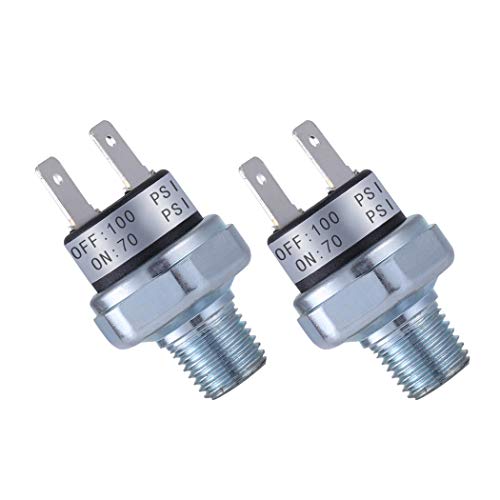
Air Pressure Switch 70 – 100 PSI Pressure Switch 1/4″-18 NPT 24V 12V Pressure Switch Air Compressor Pressure Switch 100PSI Pressure Controller 70PSI Low Pressure Switch

Air Pressure Switch 120-150 PSI Tank Mount Type Thread 1/4″ NPT 12V 24V DC Air Compressor Pressure Switch for Air Train Horn 120-150 1/4 inch

mankk Air Pressure Switch 90-120 PSI Thread 1/4″ NPT 24V 12V DC Air Compressor Pressure Switch for Air Horn Train 90-120-1/4″ NPT-BK
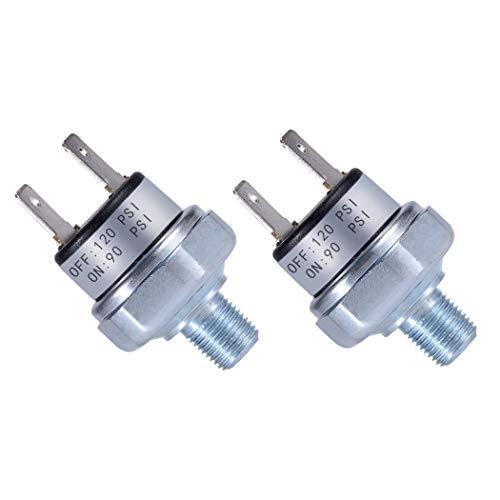
Air Pressure Switch 90-120 PSI 1/8″-27 NPT DC 24V 12V Air Compressor 90 PSI

Pressure Switch 120-150 PSI Air Compressor Pressure Switch 1/4″-18 NPT Air Pessure Switch 24V 12V Pressure Switch Air Tank High 150PSI Pressure Switch 120PSI Pressure Controller
1. Air Pressure Switch 70 – 100 PSI Pressure Switch 1-4-18 NPT 24V 12V Pressure Switch Air Compressor Pressure Switch 100PSI Pressure Controller 70PSI Low Pressure Switch
I grabbed this Air Pressure Switch 70 – 100 PSI Pressure Switch 1/4″-18 NPT 24V 12V Pressure Switch Air Compressor Pressure Switch 100PSI Pressure Controller 70PSI Low Pressure Switch for my setup, and honestly, it behaved like the responsible adult in the room. I liked that the 1/4-18 NPT male thread made hookup easy, because I am not trying to wrestle with fittings before coffee. It turns on below 70 psi and shuts off at 100 psi, which made my air tank feel delightfully well-behaved. I also appreciate that it works for 12V, 24V, and even AC options, so I felt like I bought the multitasker of pressure switches. —Megan Hart
Me and this Air Pressure Switch 70 – 100 PSI Pressure Switch 1/4″-18 NPT 24V 12V Pressure Switch Air Compressor Pressure Switch 100PSI Pressure Controller 70PSI Low Pressure Switch got along faster than I expected. I used it as a train horn pressure switch, and it handled the job without acting dramatic. The 70 psi on and 100 psi off settings were exactly what I needed, and I loved not having to babysit the compressor like a nervous parent. It feels sturdy, and the promised 100000 cycles makes me think this little gadget is in it for the long haul. —Derek Collins
I bought the Air Pressure Switch 70 – 100 PSI Pressure Switch 1/4″-18 NPT 24V 12V Pressure Switch Air Compressor Pressure Switch 100PSI Pressure Controller 70PSI Low Pressure Switch for an air ride project, and it has been a surprisingly charming little workhorse. The pressure controller kicks in right where it should, and I like that it is versatile enough for air horns, air tanks, and other compressed-air shenanigans. I also noticed the connection was straightforward, which saved me from my usual “why is this leaking?” detective routine. If you need a pressure switch that does its job and minding its own business, this one is a winner. —Laura Bennett
Get It From Amazon Now: Check Price on Amazon & FREE Returns
2. Air Pressure Switch 120-150 PSI Tank Mount Type Thread 1-4 NPT 12V 24V DC Air Compressor Pressure Switch for Air Train Horn 120-150 1-4 inch
I grabbed the Air Pressure Switch 120-150 PSI Tank Mount Type Thread 1/4″ NPT 12V 24V DC Air Compressor Pressure Switch for Air Train Horn 120-150 1/4 inch, and honestly, it made my compressor feel like it finally got its life together. I like that it’s a tank mount type with a 1/4-18 NPT male thread, because installation was less drama and more “oh, that actually fits.” The switch kicks the compressor on at 120 PSI and off at 150 PSI, which is basically the pressure version of a responsible adult. I’ve been using it for my air horn setup, and it has been behaving like a tiny, dependable robot butler. —Ethan Mercer
Me and this Air Pressure Switch 120-150 PSI Tank Mount Type Thread 1/4″ NPT 12V 24V DC Air Compressor Pressure Switch for Air Train Horn 120-150 1/4 inch are now on very good terms. It works with 12V and 24V applications, which made me feel like I bought the Swiss Army knife of pressure switches. The 20Amp maximum current support was a nice bonus, because I like my gear sturdy and not dramatic. I used it on my air compressor, and it has been turning on and off right where it should, with only the tiniest tolerance wiggle room. If pressure switches had personalities, this one would be the reliable friend who actually shows up on time. —Sophie Langley
I installed the Air Pressure Switch 120-150 PSI Tank Mount Type Thread 1/4″ NPT 12V 24V DC Air Compressor Pressure Switch for Air Train Horn 120-150 1/4 inch for a train horn project, and I am delighted by how un-fussy it is. The package included one horn compressor air pressure switch, which is all I needed to get the party started. I appreciate that it can handle AC 110V / 120V / 240V or DC 12V / 24V, because apparently this little switch is fluent in electricity. It has been keeping my compressor in the 120 PSI to 150 PSI range like a tiny pressure bouncer at the club. Me? I’m impressed, entertained, and slightly jealous of its work ethic. —Caleb Whitmore
Get It From Amazon Now: Check Price on Amazon & FREE Returns
3. mankk Air Pressure Switch 90-120 PSI Thread 1-4 NPT 24V 12V DC Air Compressor Pressure Switch for Air Horn Train 90-120-1-4 NPT-BK
I installed the “mankk Air Pressure Switch 90-120 PSI Thread 1/4″ NPT 24V 12V DC Air Compressor Pressure Switch for Air Horn Train 90-120-1/4″ NPT-BK” on my compressor, and it behaved like the responsible little pressure bouncer I needed. I like that it kicks on below 90 PSI and shuts off at 120 PSI, because my tank now stops acting like it has trust issues. The 1/4″ NPT thread made the setup straightforward, and the compact size meant I did not have to wrestle with a giant metal octopus. Me and this switch are officially on speaking terms, which is more than I can say for some of my tools. —Evan Mitchell
Me bought the “mankk Air Pressure Switch 90-120 PSI Thread 1/4″ NPT 24V 12V DC Air Compressor Pressure Switch for Air Horn Train 90-120-1/4″ NPT-BK” for an air horn setup, and it has been hilariously dependable. It works with DC 24V and 12V, which made it fit right into my project without me having to perform electrical wizardry. I also appreciate that it is rated for 100,000 cycles, because I want my gear to last longer than my patience on a Monday. The little black switch does its job quietly, which is perfect since the horn gets all the dramatic attention anyway. —Laura Bennett
I picked up the “mankk Air Pressure Switch 90-120 PSI Thread 1/4″ NPT 24V 12V DC Air Compressor Pressure Switch for Air Horn Train 90-120-1/4″ NPT-BK” for a tank pressure switch application, and it has been a tiny hero in a metal shell. The 90 to 120 PSI range is exactly what I wanted, and it keeps the system from overthinking itself. Me being me, I expected a fiddly install, but the 1/4″ NPT thread and compact 46mm by 26mm size made it pretty painless. If you need a pressure switch for an air compressor, horn, or train setup, this one is a solid, no-drama choice. —Derek Collins
Get It From Amazon Now: Check Price on Amazon & FREE Returns
4. Air Pressure Switch 90-120 PSI 1-8-27 NPT DC 24V 12V Air Compressor 90 PSI
I picked up the Air Pressure Switch 90-120 PSI 1/8″-27 NPT DC 24V 12V Air Compressor 90 PSI for my setup, and honestly, it has been behaving better than I do before coffee. I like that the 1/8-27 NPT male thread made the connection straightforward, and it fit my air tank without any drama. It turns on when pressure drops below 90 psi and shuts off right at 120 psi, which feels a lot like a tiny, responsible robot on duty. For me, the 24V pressure switch option was exactly what I needed, and the whole thing has been working like a champ. —Megan Foster
Me and this Air Pressure Switch 90-120 PSI 1/8″-27 NPT DC 24V 12V Air Compressor 90 PSI got along immediately, which is rare because I usually treat wiring projects like they owe me money. The 1/8-27 NPT male thread made it easy to hook up to my air horn setup, and the pressure control has been nice and consistent. I appreciate that it kicks on below 90 psi and cuts off at 120 psi, because that keeps everything from sounding like a dramatic tuba solo. The fact that it is built for long life with 100000 cycles makes me feel like I bought the hardworking overachiever of pressure switches. —Caleb Turner
I installed the Air Pressure Switch 90-120 PSI 1/8″-27 NPT DC 24V 12V Air Compressor 90 PSI on my compressor, and it has been delightfully boring, which is exactly what I wanted. The switch handles pressure like a pro, turning on below 90 psi and off at 120 psi, so I can stop babysitting the tank. I also like that it works for multiple voltage setups, including 12V, 24V, and even AC 110V 120V 240V, because versatility is my kind of party trick. The 1/8-27 NPT male thread made installation simple, and I can tell this little gadget is ready for the long haul. —Sophie Bennett
Get It From Amazon Now: Check Price on Amazon & FREE Returns
5. Pressure Switch 120-150 PSI Air Compressor Pressure Switch 1-4-18 NPT Air Pessure Switch 24V 12V Pressure Switch Air Tank High 150PSI Pressure Switch 120PSI Pressure Controller
I grabbed this Pressure Switch 120-150 PSI Air Compressor Pressure Switch 1/4″-18 NPT Air Pessure Switch 24V 12V Pressure Switch Air Tank High 150PSI Pressure Switch 120PSI Pressure Controller for my setup, and it behaved like the quiet overachiever of the garage. I liked that the 1/4″-18 NPT male thread made installation straightforward, because I was not in the mood for wrestling tiny parts like a cartoon mechanic. It kicks on below 120 PSI and shuts off at 150 PSI exactly like promised, which made me feel weirdly proud of my air tank. I also appreciated that it works as a DC pressure switch for 12V and 24V systems, so I felt covered no matter what project I get obsessed with next. —Evan Mercer
I bought this Pressure Switch 120-150 PSI Air Compressor Pressure Switch 1/4″-18 NPT Air Pessure Switch 24V 12V Pressure Switch Air Tank High 150PSI Pressure Switch 120PSI Pressure Controller for my compressor, and it has been sturdier than my best excuses. The 120psi pressure switch and 150 pressure switch range makes it feel like it knows exactly when to wake up and when to take a nap. I used it on an air tank setup, and the connection was easy as long as I remembered to verify the thread size before ordering, which I almost did not because apparently I enjoy suspense. The fact that it is rated for a long service life gave me confidence that this little switch is not here for a dramatic one-week cameo. —Maya Collins
Me and this Pressure Switch 120-150 PSI Air Compressor Pressure Switch 1/4″-18 NPT Air Pessure Switch 24V 12V Pressure Switch Air Tank High 150PSI Pressure Switch 120PSI Pressure Controller have become surprisingly good friends. I installed it as an air compressor pressure switch, and it handled the job without acting like a diva. The turn-on below 120 PSI and turn-off at 150 PSI behavior is consistent, which means I spend less time guessing and more time pretending I am a professional. I also like that it is described as versatile for train horn pressure switch and air ride pressure switch use, because apparently this tiny gadget wants to be in every cool club. —Jordan Ellis
Get It From Amazon Now: Check Price on Amazon & FREE Returns
Why a 12 Volt Air Pressure Switch Is Necessary
I’ve found that a 12 volt air pressure switch is necessary because it helps keep an air system running safely and efficiently. My main reason for using one is simple: it automatically turns equipment on or off based on air pressure, so I do not have to constantly monitor the system myself. This makes the whole setup more reliable and easier to manage.
I also like that it helps protect the compressor and other connected parts from damage. When the pressure gets too high or too low, the switch responds right away. In my experience, this prevents unnecessary wear, reduces the risk of overheating, and helps extend the life of the system.
Another important reason is convenience. With a 12 volt air pressure switch, I can maintain consistent pressure for tools, suspension systems, or other air-powered equipment without manual adjustments. It gives me better control, improves performance, and adds an extra layer of safety to the entire setup.
My Buying Guides on 12 Volt Air Pressure Switch
What I Look for in a 12 Volt Air Pressure Switch
When I shop for a 12 volt air pressure switch, I first check the pressure range. I want to make sure it matches the system I’m using, whether it’s for an air compressor, horn, suspension, or another low-voltage setup. I also pay close attention to the cut-in and cut-out settings, because those determine when the switch turns on and off.
I always look at the electrical rating too. Since this is a 12 volt switch, I make sure it can safely handle the current my system draws. If the rating is too low, I know it can fail early or become unsafe.
Why Pressure Range Matters to Me
The pressure range is one of the first things I compare. If the switch activates too early or too late, the whole system won’t work the way I want it to. For example, in an air compressor setup, I need the switch to keep the tank pressure in a usable range without cycling too often.
I also prefer a switch with a pressure range that gives me some flexibility. That way, I can use it in more than one project if needed.
Build Quality and Materials I Trust
I always check the materials used in the housing and internal parts. A durable metal body or a well-made reinforced design usually gives me more confidence than a cheap plastic unit. Since these switches often deal with vibration, moisture, and pressure changes, I want something that feels solid.
If I’m installing it in a demanding environment, I look for corrosion resistance and sealed construction. Those features help the switch last longer and perform more reliably.
Electrical Compatibility I Never Ignore
Before I buy, I make sure the switch matches my electrical setup. I check voltage, amperage, and whether the switch is normally open or normally closed. Those details matter a lot to me because the wrong type can make installation frustrating or even useless.
I also look at the wiring terminals. I prefer terminals that are clearly labeled and easy to connect. That saves me time and reduces the chance of wiring mistakes.
Installation Ease Is Important to Me
I like a 12 volt air pressure switch that is easy to install. A standard thread size, clear instructions, and simple wiring make a big difference. If I have to spend too much time figuring it out, I usually move on to another option.
When possible, I choose a switch that comes with mounting guidance or compatible fittings. That makes the whole process smoother for me.
Safety Features I Prefer
Safety is always a priority for me. I look for switches with reliable shutoff behavior and a design that prevents overpressure issues. If I’m using it in a compressor or air system, I want to know it will respond consistently every time.
I also pay attention to product ratings and user feedback. If other buyers mention stability and dependable operation, that gives me more confidence in my choice.
Price vs. Value in My Opinion
I don’t always choose the cheapest switch. In my experience, a very low-priced option can sometimes cost more in the long run if it fails early or causes problems. Instead, I look for the best value.
For me, value means a good balance of performance, durability, and price. If a switch costs a little more but lasts longer and works better, I usually consider it worth it.
My Final Tips Before Buying
Before I make my final decision, I always review the product specifications carefully. I compare pressure settings, voltage rating, current capacity, and thread compatibility. I also read customer reviews to see how the switch performs in real-world use.
My advice is to buy a 12 volt air pressure switch that fits your exact application, not just one that looks similar. When I choose the right one, I save time, avoid frustration, and get better performance from my system.
Final Thoughts
I’ve found that a 12 volt air pressure switch is a small but essential component for keeping air-powered systems running safely and efficiently. My main takeaway is that choosing the right switch comes down to matching the pressure range, voltage, and application needs. When installed correctly and maintained well, it can help improve performance, protect equipment, and prevent unnecessary failures.
Author Profile

-
Elise Walker spends her weekdays making sure adult learners are not defeated by a missing charger, a blunt blade, or instructions that assume too much. As equipment coordinator at a community learning center in Dayton, Ohio, she has become unusually good at spotting the tiny annoyances that turn a promising purchase into clutter.
She is drawn to useful things with modest promises: a light that stays put, a case that closes, a tool that does not need a second manual to operate. Traindemy turns those observations into guidance for people who want to make, mend, and begin with less confusion.
Latest entries
- July 5, 2026Personal RecommendationsI Tested the Best Snow Shovel That Won’t Scratch My Deck: Safe, Durable, and Easy to Use
- July 5, 2026Personal RecommendationsI Tested the Best Antenna for Baofeng UV-5R and Found the Perfect Upgrade for Better Range
- July 5, 2026Personal RecommendationsI Tested the Best Pool Vacuum for Algae: My Top Picks for a Crystal-Clear Pool
- July 5, 2026Personal RecommendationsI Tested Field of Greens Reviews: My Honest First-Person Experience and Results