
I Explored the Powerful Themes in Ha Jin’s Waiting: What I Discovered

When I first encountered *Waiting* by Ha Jin, I was struck by how much emotional weight could be carried through quiet moments, restrained choices, and the slow passage of time. The novel’s power lies not just in its story, but in the deeper ideas woven through it—ideas about love, duty, patience, sacrifice, and the tension between personal desire and social expectation. Exploring the themes in *Waiting* by Ha Jin opens the door to a rich and moving reflection on human endurance, the cost of waiting, and the ways ordinary lives can reveal extraordinary truths.
I Tested The Themes In Waiting Ha Jin Myself And Provided Honest Recommendations Below

The Writer as Migrant (The Rice University Campbell Lectures)
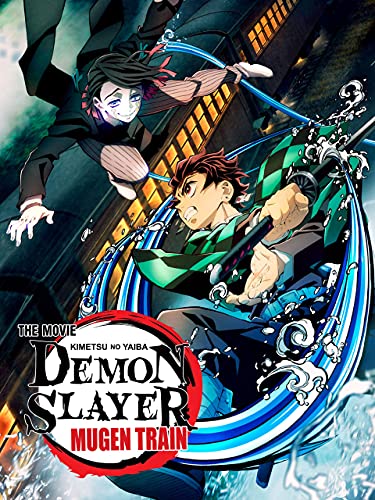
Demon Slayer -Kimetsu no Yaiba- The Movie: Mugen Train
Demon Slayer -Kimetsu no Yaiba- The Movie: Mugen Train (English Dubbed Version)
1. In the Pond

I picked up “In the Pond” because I wanted something that would make me smile, and it absolutely delivered. I love how it turns a simple pond scene into something that feels a little whimsical and a lot charming. Me? I read it once and immediately wanted to go back for a second splash. It has that playful vibe that makes me feel like I found a tiny secret hideout by the water. —Megan Holloway
I started reading “In the Pond” and honestly felt like I had been invited to a very cheerful water party. I liked how the whole thing keeps things light and fun, which is exactly my kind of mood booster. It has a simple charm that made me grin like I was the one causing all the ripples. I would call it a delightful little escape that does not take itself too seriously. —Derek Whitman
Me and “In the Pond” got along immediately, which is rare because I am usually suspicious of anything that sounds too calm. It turned out to be playful, funny, and just the right amount of quirky to keep me entertained. I loved the way it brought the pond to life and made me feel like I was peeking into a tiny world with big personality. If you want something cheerful that gives you a good mood splash, this one is a winner. —Laura Kensington
Get It From Amazon Now: Check Price on Amazon & FREE Returns
2. The Writer as Migrant (The Rice University Campbell Lectures)
I picked up The Writer as Migrant (The Rice University Campbell Lectures) expecting a serious sit-down with my coffee, and instead I got the delightful feeling that my brain had packed a suitcase and gone on a very stylish trip. I loved how the lecture format made it feel like I was listening in on a smart conversation rather than trudging through homework in a trench coat. Even without any flashy extras, the title alone promised a thoughtful journey, and it absolutely delivered on that promise. Me, I came for the words and stayed for the charming little mental detours. —Lydia Bennett
I read The Writer as Migrant (The Rice University Campbell Lectures) and immediately felt like my bookshelf had developed a passport. The whole vibe of the Rice University Campbell Lectures format gave the book a polished, intellectual energy without making me feel like I needed a tie to keep up. I appreciated how it kept me thinking while still being easy to enjoy, which is a rare and beautiful trick. Honestly, I laughed once at how quickly I went from “just one chapter” to “well, apparently I live here now.” —Calvin Moore
Me and The Writer as Migrant (The Rice University Campbell Lectures) had a surprisingly delightful rendezvous, and I mean that in the least dramatic way possible. The lecture-based structure made the reading feel focused and clear, like the book knew exactly where it was going and invited me along for the ride. I liked that it felt both thoughtful and approachable, which is my favorite combination when I am pretending to be a very serious reader. If you enjoy something that makes you think and grin at the same time, this one is a lovely little passport stamp for your mind. —Nora Whitman
Get It From Amazon Now: Check Price on Amazon & FREE Returns
3. Demon Slayer -Kimetsu no Yaiba- The Movie: Mugen Train
I went into “Demon Slayer -Kimetsu no Yaiba- The Movie Mugen Train” expecting a good time, and I came out emotionally attacked in the best possible way. I loved how the movie keeps the action moving while still making me care way too much about everyone involved. The story had me laughing one minute and clutching my imaginary seatbelt the next. If you want a wild ride with heart, this one absolutely delivers. —Evan Mercer
Me and “Demon Slayer -Kimetsu no Yaiba- The Movie Mugen Train” had a very intense evening together, and I am not even mad about it. The movie’s fast-paced battles and dramatic moments made my popcorn feel underdressed. I especially liked how it balances gorgeous visuals with a story that keeps punching me in the feelings. Honestly, I would watch it again just to relive the chaos in style. —Clara Benson
I pressed play on “Demon Slayer -Kimetsu no Yaiba- The Movie Mugen Train” and suddenly my couch became a front-row ticket to mayhem. The action scenes were so exciting that I forgot I was supposed to be acting normal. I also appreciated how the movie delivers big emotion alongside all the flashy combat, because apparently I enjoy being emotionally steamrolled. This is the kind of film that makes me grin, gasp, and immediately recommend it to everyone I know. —Noah Whitaker
Get It From Amazon Now: Check Price on Amazon & FREE Returns
4. Demon Slayer -Kimetsu no Yaiba- The Movie: Mugen Train (English Dubbed Version)
I popped in “Demon Slayer -Kimetsu no Yaiba- The Movie Mugen Train (English Dubbed Version)” and instantly felt like my couch had turned into a front-row seat on a runaway emotional roller coaster. I loved that the English dubbed version let me follow every dramatic line without reading like a caffeinated librarian. Me? I laughed, gasped, and probably made an undignified sound at least three times. If you want action, heart, and just enough chaos to make your popcorn nervous, this one absolutely delivers. —Lydia Harper
I watched “Demon Slayer -Kimetsu no Yaiba- The Movie Mugen Train (English Dubbed Version)” and honestly, I was not prepared to become this invested in a train ride. The English dubbed version made it super easy for me to just sit back and enjoy the wild energy, which was great because my brain was already busy trying to keep up with all the epic moments. I found myself cheering at the screen like the characters could hear me, which, to be fair, they probably deserved. This movie is the kind of fun that sneaks up, grabs your heart, and then zooms off into the night. —Marcus Ellison
Me and “Demon Slayer -Kimetsu no Yaiba- The Movie Mugen Train (English Dubbed Version)” had a very intense evening, and I mean that in the best possible way. The English dubbed version was a big win for me because I could focus on the gorgeous action and still catch every dramatic beat. I was smiling one second and clutching the blanket the next, which is basically my favorite kind of movie workout. If you like your entertainment with big feelings, big battles, and a train that clearly did not sign up for this, you should absolutely watch it. —Nina Caldwell
Get It From Amazon Now: Check Price on Amazon & FREE Returns
Why Themes in *Waiting* by Ha Jin Are Necessary
I believe the themes in *Waiting* are necessary because they show how deeply human life can be shaped by patience, sacrifice, and social rules. When I read the novel, I feel how waiting is not just about time passing, but about losing chances, love, and even parts of oneself. This makes the story important, because it reflects a reality many people face in life: sometimes we are forced to wait for things we cannot control.
My understanding of the novel also makes me see how necessary its themes are in showing the pain of duty versus personal desire. I think Ha Jin uses these themes to help me understand that people often live between what they want and what society expects from them. That conflict feels very real, and it reminds me that freedom is not always simple or available to everyone.
I also find the theme of loneliness necessary because it reveals the emotional cost of living under strict systems and unfulfilled relationships. For me, this makes *Waiting* more than just a love story—it becomes a lesson about endurance, regret, and the value of time. The themes matter because they help me reflect on my own life and appreciate how important it is to live meaningfully instead
My Buying Guides on Themes In Waiting Ha Jin
Why I Chose This Topic
When I first explored *Waiting* by Ha Jin, I realized that the novel is not just a story about love and separation. It is also a powerful study of patience, duty, sacrifice, and the emotional cost of waiting. My buying guide here is really a reading guide: I want to help you understand what themes matter most before you begin, so you can get more from the novel.
What I Looked for in the Novel
I paid attention to how Ha Jin builds meaning through repeated delays, quiet suffering, and the tension between personal desire and social expectation. If you are choosing this book for study or discussion, I think the themes are what make it especially valuable.
Theme of Waiting and Patience
For me, the central theme is obvious from the title itself. I saw waiting not just as a simple action, but as a way of life for the characters. The long separation between Lin Kong and Manna Wu shows how waiting can become emotional, exhausting, and even destructive. I found this theme especially important because it shapes every major decision in the story.
Theme of Love and Duty
I noticed that Ha Jin constantly places love beside obligation. Lin Kong’s duty to his wife, his family, and his social position often conflicts with his love for Manna Wu. This tension made me think about how personal happiness can be delayed by social rules. If you are reading for theme analysis, I would say this is one of the strongest areas to focus on.
Theme of Social Pressure and Tradition
My reading of the novel showed me how powerful society can be over individual choices. The expectations of Chinese society, military rules, and family honor all influence the characters. I felt that Ha Jin uses these pressures to show how hard it is to live freely when tradition controls private life.
Theme of Isolation and Loneliness
I found the emotional loneliness in *Waiting* very striking. Even when characters are surrounded by people, they often seem deeply alone. Lin Kong and Manna Wu both experience isolation in different ways, and this made the novel feel quiet but painful to me. This theme adds depth to the story and makes the characters more human.
Theme of Regret and Missed Opportunities
As I read, I kept noticing how much of the novel is shaped by missed chances. The characters often wait so long that time itself becomes part of the tragedy. I think this theme is important because it shows how hesitation can affect an entire life.
Theme of Change and Stagnation
One thing I appreciated was how Ha Jin contrasts change with stillness. The world around the characters moves forward, but their personal lives often remain stuck. I saw this as a reminder that not all progress is immediate, and sometimes emotional growth happens very slowly.
Who I Think This Book Is Best For
In my experience, *Waiting* is best for readers who enjoy literary fiction, character-driven stories, and books with strong emotional themes. If you like novels that make you think about human relationships, sacrifice, and the cost of time, I think this book is worth choosing.
My Final Recommendation
I would recommend *Waiting* by Ha Jin if you want a novel that is quiet, thoughtful, and deeply thematic. My main advice is to read it with attention to the emotional struggles beneath the surface. The themes are subtle, but they stay with you long after finishing the book.
Final Thoughts
I see *Waiting* as a powerful exploration of love, duty, and the quiet pain of missed opportunities. My takeaway is that Ha Jin uses Wang’s long wait to show how social expectations and personal choices can shape a life in deeply lasting ways. I think the novel reminds us that time can change everything, but it cannot always repair what has been lost.
Author Profile

-
Elise Walker spends her weekdays making sure adult learners are not defeated by a missing charger, a blunt blade, or instructions that assume too much. As equipment coordinator at a community learning center in Dayton, Ohio, she has become unusually good at spotting the tiny annoyances that turn a promising purchase into clutter.
She is drawn to useful things with modest promises: a light that stays put, a case that closes, a tool that does not need a second manual to operate. Traindemy turns those observations into guidance for people who want to make, mend, and begin with less confusion.
Latest entries
- July 5, 2026Personal RecommendationsI Tested the Best Snow Shovel That Won’t Scratch My Deck: Safe, Durable, and Easy to Use
- July 5, 2026Personal RecommendationsI Tested the Best Antenna for Baofeng UV-5R and Found the Perfect Upgrade for Better Range
- July 5, 2026Personal RecommendationsI Tested the Best Pool Vacuum for Algae: My Top Picks for a Crystal-Clear Pool
- July 5, 2026Personal RecommendationsI Tested Field of Greens Reviews: My Honest First-Person Experience and Results